

If you’ve experienced severe storm damage to your home or business, one of the first things you should do is contact your insurance provider and file a claim. The process will differ slightly based on the type of insurance you have, but the main idea behind it stays the same—you’re letting the company know what damages you’ve experienced and how they can be resolved. In this guide, we’ll talk about how to file a claim with insurance for roof damage, including how to handle filing an insurance claim in general, as well as some helpful tips to consider before filing your claim.
Contact your insurance company
The best way to start getting your roof repaired or replaced is by contacting your insurance company. Your home insurance policy will often cover property damage resulting from wind, hail, falling trees and other sudden events. You do not need a repair estimate to report the damage: report it first, then gather the evidence. Policies require prompt notice of a loss, and deadlines for reporting storm damage vary by state and by policy, so do not wait.
If you’re not sure whether your insurance covers roof damage, ask for a complete copy of your policy and read it, or call your agent and ask. Check your deductible, too: many policies have a separate wind or hail deductible, sometimes a percentage of your home’s insured value rather than a flat amount. It is also worth having a reputable roofer inspect the roof. After inspecting it, they’ll be able to give you an idea of how much it will cost to repair or replace it entirely.

Check your roof damage
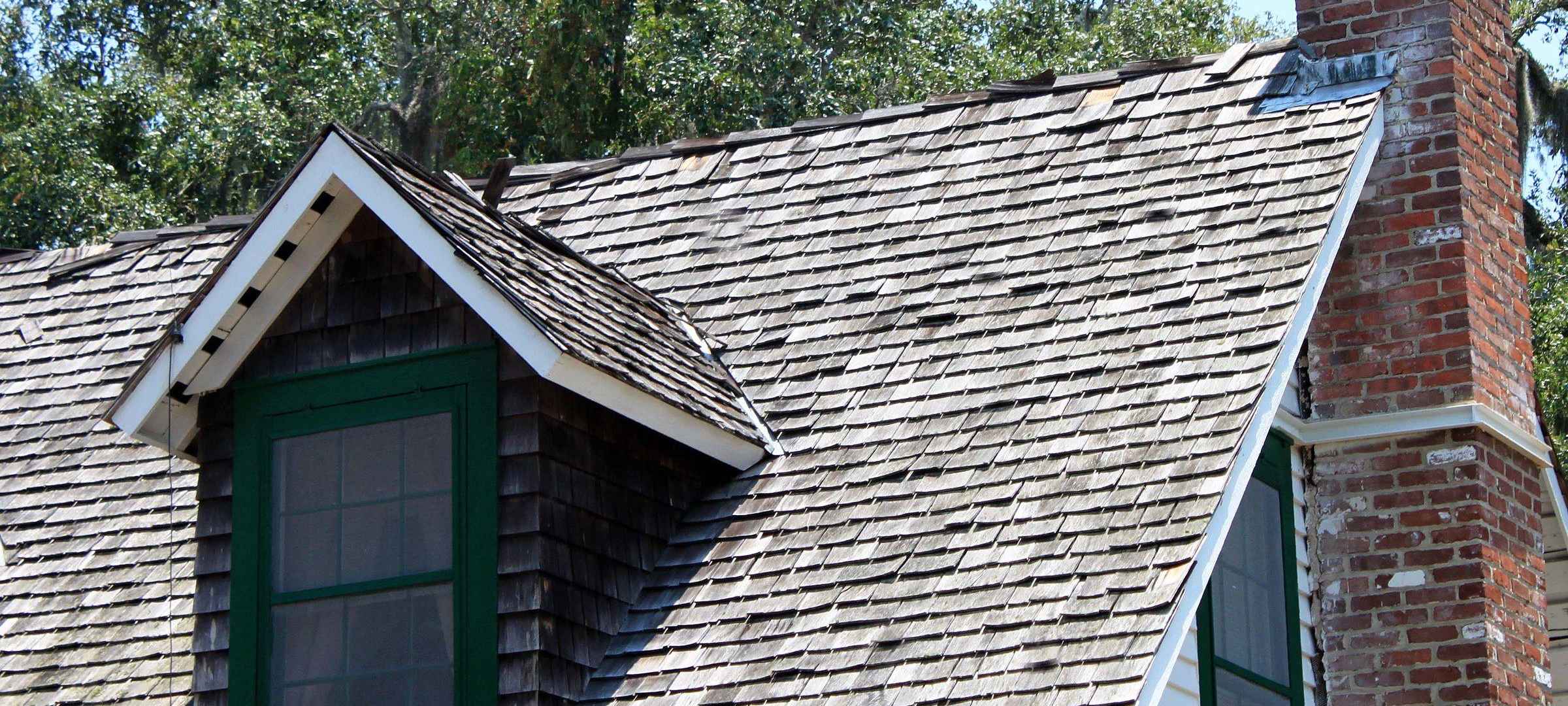
Most policies cover roof damage caused by sudden severe weather, such as hail and wind, but not damage from wear and tear, age or poor maintenance, and some limit coverage on older roofs. That is why the cause of the damage matters so much. The first step is determining if your roof is indeed damaged and in need of repair or replacement. In most cases you can simply take an outside glance at your roof. Are there any missing shingles? Are there any cracks? Are there dents in your vents or gutters? If so, chances are you have storm damage.
Do not climb onto a damaged roof yourself. If you’re having trouble determining whether or not your roof has been damaged, call a roofer or a public adjuster to inspect it and, if necessary, give you a repair estimate. If the roof is leaking, cover it with a tarp or have it covered right away to prevent further damage, and keep the receipts: your policy requires you to protect the property from further damage, and reasonable emergency repairs are usually part of the claim.
Take pictures of the damaged area
When you’re ready to file your claim, take pictures of damaged areas using your phone or another camera. The photos don’t have to be professional quality, just clear enough that your insurance company can see where repairs are needed. It’s always best to document damages in person (rather than relying on estimates from others), as you’ll be able to record things more accurately.
Of course, it’s not always easy or possible to document every roofing problem in person. If that’s your situation, take some time after you report your claim and make visits as needed. You might find damage that you didn’t notice on first pass. Be sure to keep thorough records of when you were at the property and what was happening (such as rain, windy conditions). Other details can help clarify issues later if there are disputes about timelines or other important facts.
Before removing any materials
In order to file an insurance claim, you’ll need documentation proving your roof has been damaged. Before you remove anything, be sure to document it thoroughly by taking plenty of photos and even recording video footage. This is important because some insurance companies will require proof of damage before they’ll issue payment. They also won’t pay if they think you removed materials that had not been damaged—and got banged up while being moved—as part of a bid to get more money from them.
Check your home
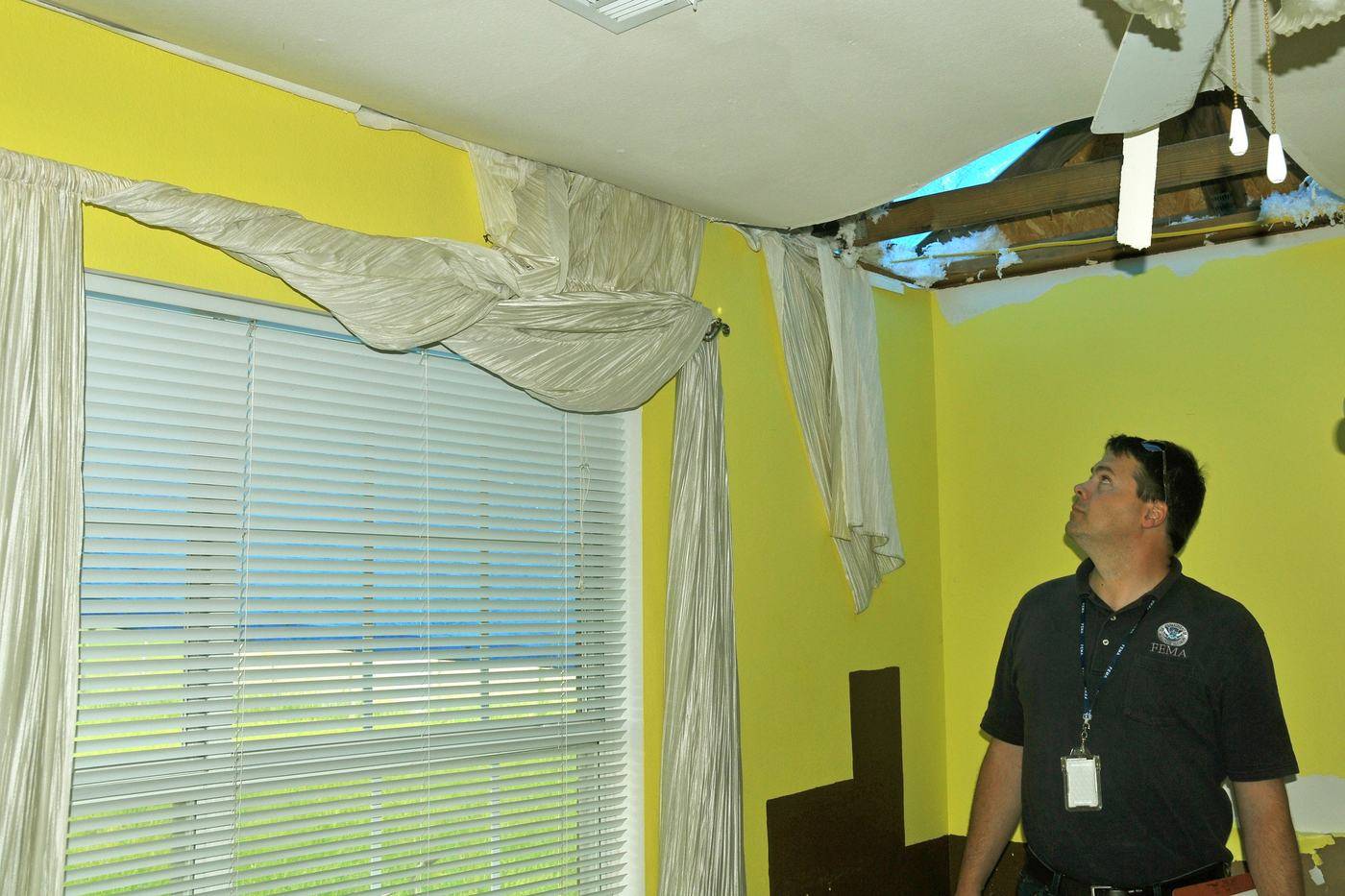
If you see any signs of leaking, or if water is pooling on your ceiling, then it’s time to get serious about filing a claim. Roof damage often shows up inside first, and water damage to ceilings, walls, insulation and belongings can be part of the same claim. Photograph it, protect your belongings, and report the claim as soon as possible.
When you do file a claim, your insurer will usually send an adjuster to inspect the damage. Walk the adjuster through everything you found, inside and out, including the walls, ceilings, floors and attic, and ask for a copy of the adjuster’s estimate once it is written.
Get professional help
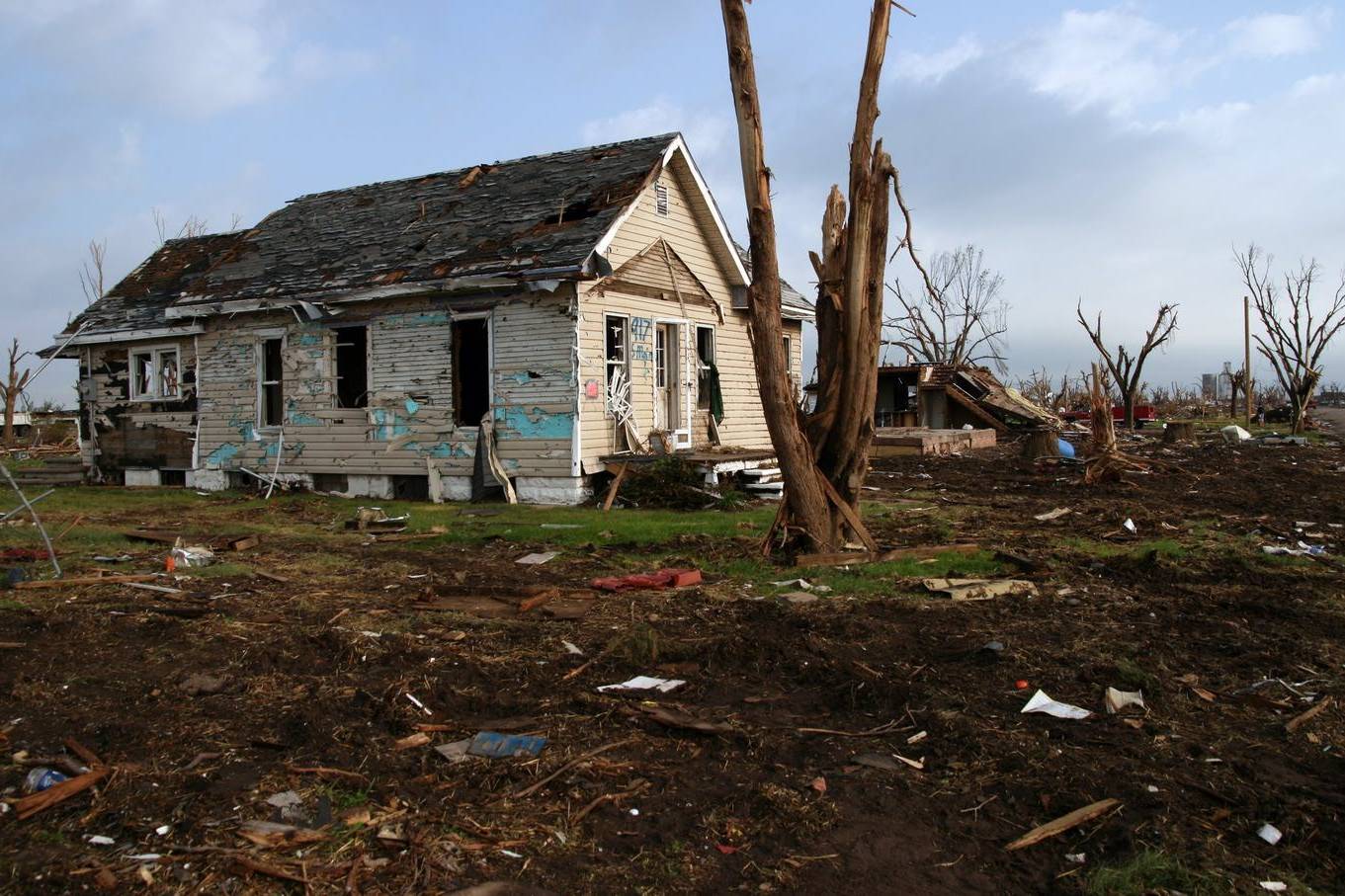
It’s important to get professional help. Your insurance company’s adjuster will write an estimate of what it believes the repairs cost. Once the amount is approved, the insurer may provide you with a list of recommended contractors, but you are free to choose your own. Whether you have one in mind or use theirs, choose a licensed, insured roofer. Roof repair isn't a DIY project you should take lightly.
A good roofer can tell you what the repair really requires and give you a detailed estimate to compare with the insurer’s. Keep the two roles apart, though: in many states, a contractor may not negotiate your claim with the insurance company for you. If the insurer’s estimate leaves out damage, refuses to match materials, or the claim is denied, a licensed public adjuster can represent you. Melo Property Claims handles roof claims in the states where we are licensed.
Will they replace my roof?
After your roof sustains damage, you’ll have three options to repair it: You can hire a contractor and pay out of pocket, you can file an insurance claim (which may affect your premium at renewal), or you can repair it yourself. Whichever option you choose, be sure to document all communication that comes from your insurance company or contractor.
Very few will do it themselves. A new roof is a major expense, so unless the damage is small enough to fall under your deductible, or isn’t covered by your policy, most people choose the second option and have their insurance company pay for the repairs. Whether the insurer pays for a full replacement or only a repair depends on the extent of the damage and your policy’s terms, so read the adjuster’s estimate closely.
If the damage makes your home unlivable while it is being repaired, ask about additional living expenses (sometimes called loss of use) coverage. Many homeowners policies pay the added cost of a hotel or rental while you cannot live at home.
If you need assistance with a roof or property claim, get in touch with us at Melo Property Claims for a free claim review.