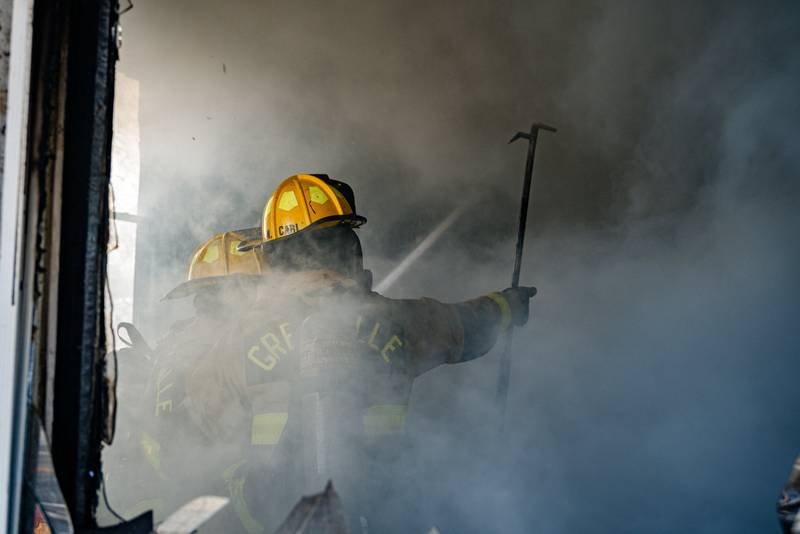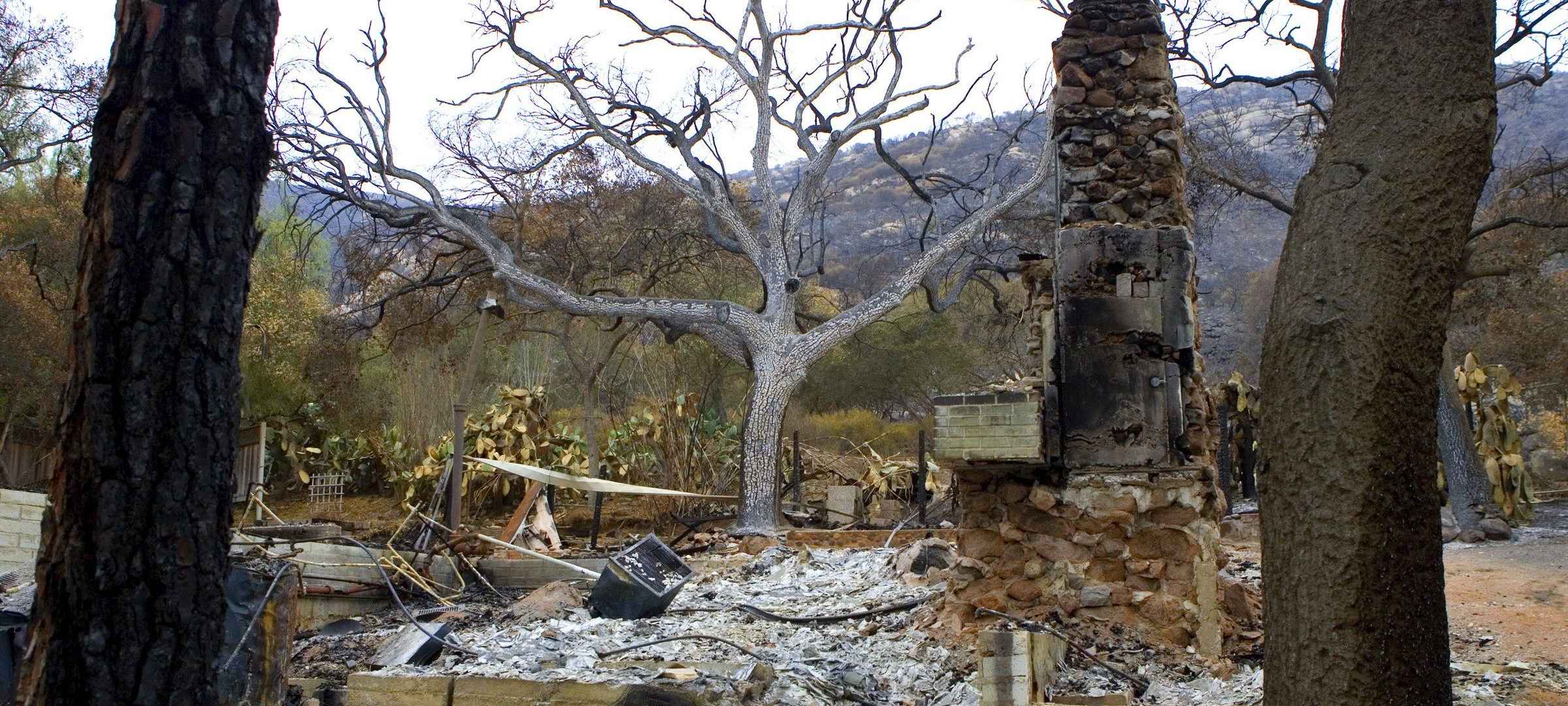
Experiencing a house fire is a devastating event, and it can be even more distressing if you find yourself without insurance. Whether you’re a homeowner or a renter, navigating the aftermath of such a disaster can feel overwhelming, especially when you realize that you don’t have insurance to cover the loss. Let's explore the types of insurance you would need if your house burned down and you had no insurance coverage in place.
Homeowners Insurance: The Essential Protection
If you own your home, having homeowners insurance is crucial. This type of insurance typically covers the structure of your home and the contents within it against fire and other perils. In the unfortunate event that your house burned down, homeowners insurance would provide financial compensation to rebuild your home and replace your belongings.
However, if you find yourself in a situation where your house burned down and you have no insurance, the financial burden of rebuilding falls largely on you. This could mean dipping into savings, taking out loans, or relying on outside assistance if available. The absence of homeowners insurance in such a scenario highlights the importance of having this coverage in place.
Renters Insurance: Protecting Your Belongings
For renters, the situation can be equally challenging. If you rent your home and it burns down, the property owner’s insurance typically covers the building itself, but not your personal belongings. This is where renters insurance comes into play. Renters insurance covers the cost of replacing your personal property, such as furniture, electronics, and clothing, in the event of a fire.
If your house burned down and you have no renters insurance, you would be responsible for replacing all your belongings out of pocket. Additionally, renters insurance often includes liability coverage, which can protect you if someone else’s property is damaged or if someone is injured while in your rented home.
First, Make Sure You Really Have No Coverage
Before assuming there is nothing to claim, check a few things:
- Was the policy actually cancelled? An insurer usually has to send written notice before cancelling or not renewing a policy, and many policies have a grace period for late payment. The rules vary by state; your state's insurance department can explain them, and an unpaid premium does not always mean coverage had ended.
- Does your mortgage lender have coverage on the home? If your own policy lapsed, the lender may have placed insurance on the house. That coverage mainly protects the lender's interest, but it can still matter to you, so call your mortgage servicer.
- Are you covered under someone else's policy? A family member's policy may cover your belongings in some situations, for example a student living away from home. Ask the policyholder to check with their insurer.
- Did someone else cause the fire? If the fire started at a neighbor's property, from a contractor's work or from a faulty product, you may have a claim against the responsible party or their insurance; an attorney can advise you on that.
What to Do if You Have No Insurance
If you’re facing the reality of your house burning down and having no insurance, your options are limited, but there are still steps you can take:
- Seek Emergency Assistance: Contact organizations like the American Red Cross or the Salvation Army, which may help with temporary housing, food, and clothing in the immediate aftermath of the fire.
- Ask About Government Aid: Federal disaster assistance, such as FEMA grants, is generally available only when a fire is part of a federally declared disaster, such as a major wildfire, not for a single house fire. Your county or city social services office may still know of local or state help, so ask.
- Explore Community Resources: Churches, non-profits, and community groups often provide aid to fire victims. They may offer financial assistance, clothing, or help with finding a new place to live.
- Crowdfunding: In today's digital age, many people turn to crowdfunding platforms to raise money for rebuilding after a disaster. While this isn't a guaranteed solution, it can help offset some of the costs.
Moving Forward: Getting Insurance
If your house has burned down and you find yourself without insurance, it’s crucial to ensure you’re better prepared in the future. For homeowners, this means a homeowners insurance policy that covers fire damage, with a dwelling limit high enough to rebuild at today's construction costs. For renters, obtaining renters insurance is a small price to pay for peace of mind and protection of your personal belongings.
In conclusion, while the aftermath of a house fire is undoubtedly overwhelming, understanding the importance of homeowners and renters insurance can help you prepare for the future. If your house burned down and you had no insurance, the financial and emotional toll could be significant. However, taking proactive steps to secure the right insurance coverage can provide the protection you need to face the unexpected. And if you did have a policy, even one the insurer says had lapsed, have a licensed public adjuster or an attorney review it with you; Melo Property Claims works on fire claims in the states on our service areas page.