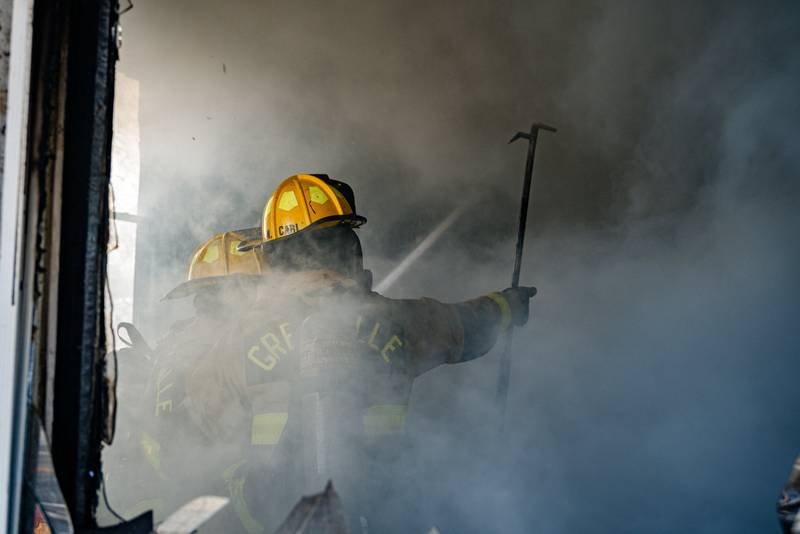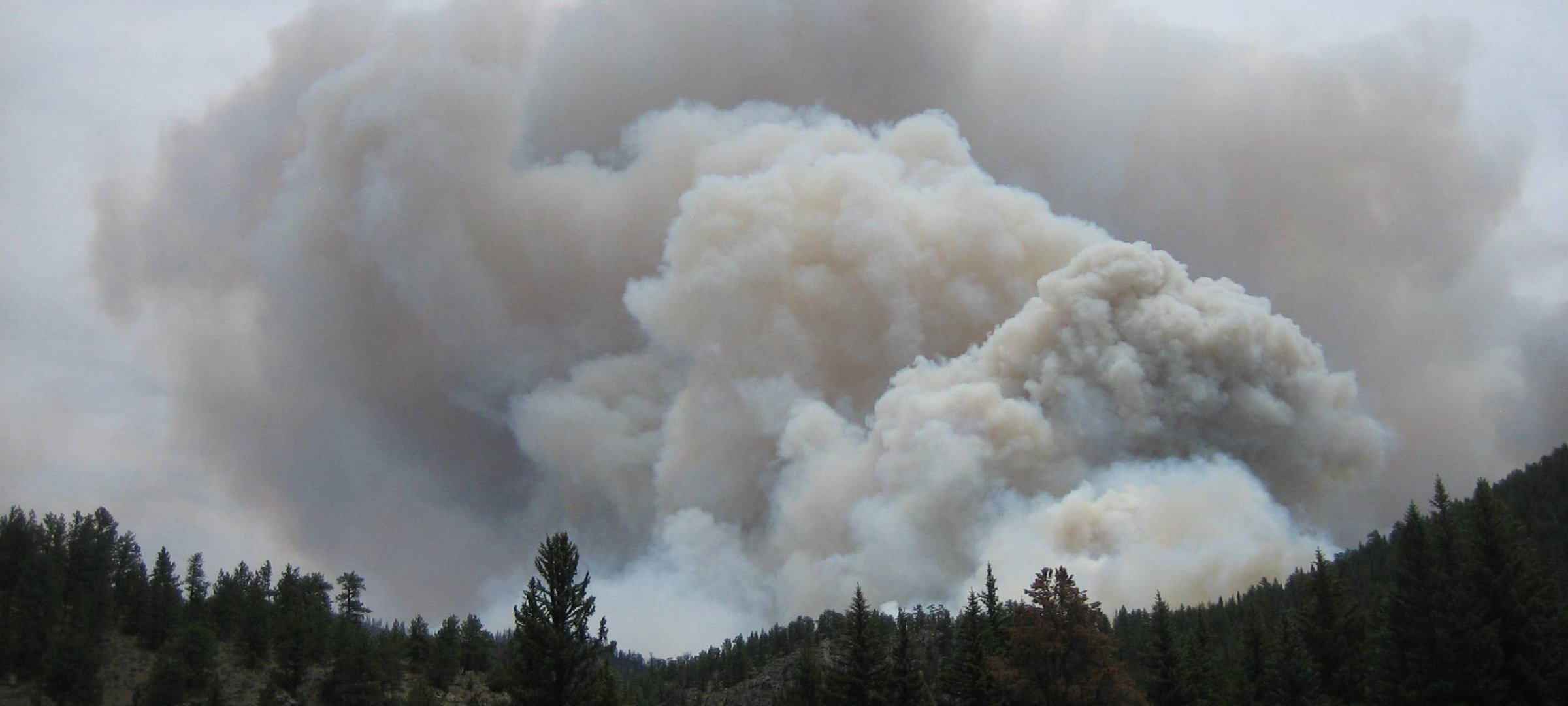
A house fire can be a devastating event, leaving behind not just visible damage from flames but also significant smoke damage. Even if the fire itself is contained, the residual smoke and ash can cause extensive harm to your property and belongings. Understanding how smoke insurance works and how to file a smoke damage insurance claim is crucial in ensuring you receive the compensation needed to restore your home.
Understanding Smoke Damage and Its Impact
Smoke damage goes beyond the visible soot and ash that may settle on surfaces. It can permeate walls, furniture, carpets, and even your HVAC system, causing lingering odors, discoloration, and potential health risks. The acidic nature of smoke can corrode metals, tarnish finishes, and damage electronic equipment. Even a small fire can lead to extensive house fire smoke damage insurance claims due to the widespread effects of smoke.
Given these impacts, it's important to recognize that smoke damage requires professional assessment and remediation. Simply cleaning surfaces might not be enough to eliminate the risks, and improper cleaning can sometimes worsen the damage.
What Does Smoke Insurance Cover?
Smoke insurance is not usually a separate policy: smoke is one of the named perils in most standard homeowners policies, covering sudden damage from smoke and ash, whether the fire was inside your home or nearby, such as a neighbor's house fire or a wildfire. Coverage details still vary from policy to policy. Many policies exclude smoke from agricultural smudging or industrial operations, and damage from a fire the policyholder set on purpose is not covered. An accidental fire, even a careless one like a pan left on the stove, is normally covered, so do not assume a claim is lost because the fire was your fault.
When reviewing your policy, it’s important to understand the extent of your coverage for smoke damage. This includes not only the repair or replacement of damaged property but also potential additional living expenses (ALE) if your home becomes uninhabitable during repairs. ALE coverage can help pay for temporary housing, meals, and other costs incurred while your home is being restored.
Filing a Smoke Insurance Claim
If your home has suffered smoke damage, the first step is to file a smoke insurance claim with your insurance provider. Here’s a step-by-step guide to help you navigate the process:
- Document the Damage: Before beginning any cleanup or repairs, thoroughly document the damage with photos and videos. Include both visible damage, such as soot on walls and furniture, and any items that may have been affected by the smoke, such as electronics or clothing.
- Contact Your Insurance Company: Notify your insurance company as soon as possible to start the claims process. Provide them with detailed information about the fire and the resulting smoke damage. Be sure to ask about any specific forms or documentation they may require.
- Work with an Adjuster: Your insurance company will likely send an adjuster to assess the damage. Remember that this adjuster works for the insurer. Be present during the inspection to point out every affected area, including rooms far from the fire, closets, the attic and the HVAC system, where smoke residue is easy to miss.
- Get Professional Estimates: Depending on the damage, you may need to hire professionals for cleaning, repairs, or even restoration. Obtain estimates from qualified contractors and submit these to your insurance company as part of your smoke damage insurance claim.
- Review the Settlement Offer: After reviewing the estimates and the adjuster’s report, your insurance company will make a settlement offer. Review this offer carefully to ensure it adequately covers the cost of repairs and any additional living expenses.
- Negotiate if Necessary: If the settlement offer is lower than expected, don’t hesitate to negotiate with your insurance company. You may need to provide additional documentation or obtain a second opinion to support your claim. A licensed public adjuster can write that second estimate and negotiate for you; Melo Property Claims does this in each of the states we serve.
Conclusion
Filing a smoke insurance claim can be a complex process, but understanding your coverage and taking the right steps can help you secure the compensation you need to restore your home. Whether you’re dealing with extensive smoke damage after a house fire or a smaller smoke problem from a fire nearby, documenting everything before cleanup, reporting promptly and checking the insurer's estimate against your own can make a significant difference in the outcome.