If you're weighing whether to hire help with a property damage insurance claim, here's what actually determines cost, credentials, and whether a second opinion is worth getting. A public adjuster is a state-licensed professional who works exclusively for the policyholder, not the insurance company, to negotiate a property damage claim. The insurance company already knows how licensing and fees work in your state. You should too before you sign anything or accept a settlement offer.
Why public adjuster licenses are tied to the property's state, not the adjuster's
A public adjuster is not the same person as the adjuster your insurance company sends to your property, and it's not the same as an independent adjuster the insurer hires, who also works for the insurer. A public adjuster works exclusively for the policyholder, and that distinction only matters if the person holds the right license in the right state. Public adjuster licenses are regulated at the state level, and the requirements differ from state to state, but they typically include an exam, a background check and a surety bond before someone can legally negotiate a claim on your behalf. Many states also require continuing education to keep that license active.
Here's what homeowners get wrong most often: licensing is tied to where the property sits, not where the adjuster's office is. In states that license public adjusters, someone licensed only in another state can't legally negotiate your claim, however experienced they are; they need a license, often a non-resident one, in the state where your property is. If the adjuster working your claim isn't properly licensed there, your contract with them may not be enforceable, and the insurer can refuse to deal with them. That can cost you months. Ramon Melo, for example, holds public adjuster licenses in North Carolina and South Carolina (#8627837) and Georgia (#3308108), and Melo Property Claims works only in the states where it is licensed.
How contingency fees are calculated on a public adjuster claim
Contingency pricing means the adjuster is paid a percentage of what the insurance company pays on the claim, rather than an hourly rate or a flat fee up front. It's worth understanding the fine print because not every contingency arrangement is built the same way. Some public adjusters charge a percentage of the entire settlement amount. Others charge a percentage only of the overage, meaning the additional money negotiated above the insurance company's original number.
That difference sounds small until you run the math on a large claim. A percentage of a full six-figure settlement can add up to a much bigger fee than the same percentage applied only to the increase a public adjuster actually fought to win. Contingency fee percentages for public adjusters vary by state and by claim type; some states cap the percentage a public adjuster can charge, in some cases with a lower cap on claims from a declared emergency or catastrophe. Your state's department of insurance can tell you the rules where your property is. Melo Property Claims always follows state guidelines and determines the applicable commission after discussing where you are in the claims process, and generally speaking, if you have already been paid on a claim, no commission is applied to that amount, though a higher percentage may be requested on the additional amount negotiated on your behalf. Ask upfront which model you're being offered, and get it in writing before you sign anything.
When a second opinion on a denied or underpaid claim pays for itself
A second opinion earns its cost back fastest in a handful of specific situations:
- A denied claim
- A settlement offer that feels low
- A disputed cause-of-loss determination
- A claim the insurer closed without ever fully inspecting the damage
Those are the moments worth pausing on instead of just accepting the letter you got.
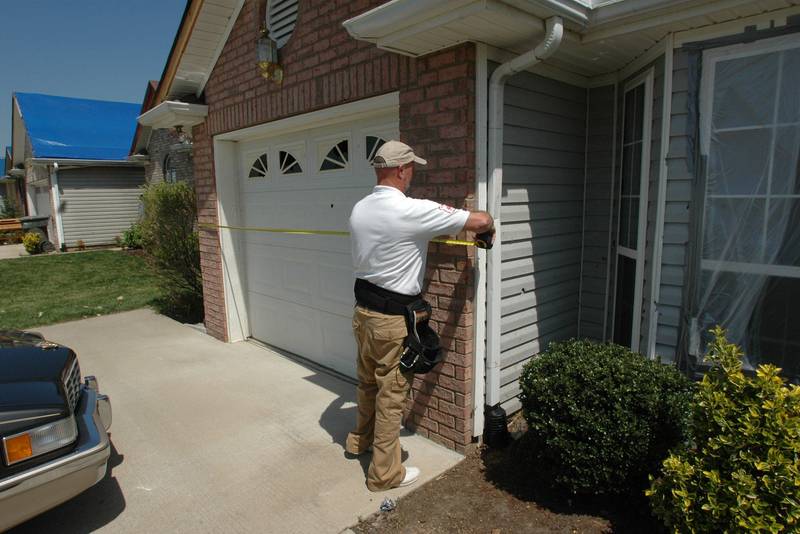
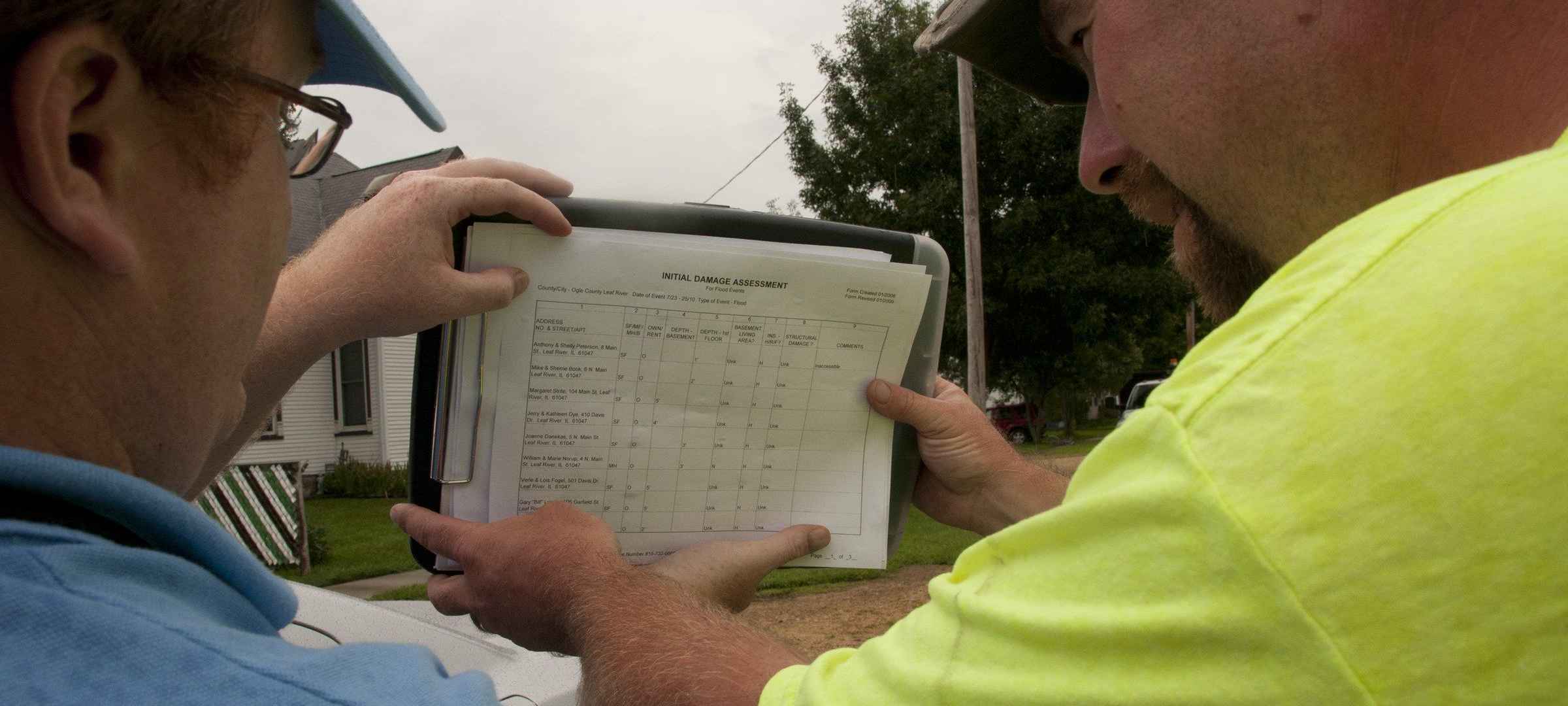
Who reviews the claim matters too. A contractor can tell you what repairs will cost. A public adjuster can also evaluate coverage language, valuation methodology, and whether the insurer's estimate accounted for everything the policy actually covers, then negotiate directly with the carrier. Those are different scopes of authority.
Time matters as much as the review itself. Policies and state laws set deadlines that can end your options: the time you have to file a lawsuit over a claim, which often runs from the date of the loss rather than the date of the denial, and in some states a deadline for supplemental or reopened claims. They vary by state and by policy language. Waiting to "see if things get better" can quietly close that door. The type of review you need depends on documentation: if the initial adjuster only did a partial inspection, you likely need a full re-inspection, not just a paper review of the existing estimate.
What to verify before signing with a public adjuster
Before signing with any public adjuster, ask for four things: an active state license number, proof of bond, a written contingency agreement spelling out the fee structure, and specific experience with your type of damage. Anyone hesitant to hand over the first three is telling you something.
License verification takes minutes. State insurance departments run public license lookup tools, usually on their websites, and it will show you whether the license is active, lapsed, or has any disciplinary history attached to it. A license that was valid two years ago isn't the same as one that's valid today.
Damage-specific experience deserves more weight than homeowners usually give it. A fire or smoke claim involves valuation questions around smoke penetration and contents loss that don't come up in a storm or wind claim, and a roof claim has its own set of depreciation and matching issues. An adjuster who's handled dozens of water claims isn't automatically equipped to properly value a complex fire loss. Ask directly what they've handled, not just how long they've been licensed.
What to check before you sign
Before you commit to anyone reviewing or negotiating your claim, pull up your state's insurance department license lookup and confirm the adjuster's status yourself, and reread your policy for its deadlines, such as the time limit to sue over a claim decision. Those two checks take less than twenty minutes and protect you either way. If you're dealing with a denied claim, a lowball offer, or damage that was never fully inspected, Melo Property Claims offers a no-obligation claim review to help you figure out whether a second opinion is worth pursuing.