The outcome of a mediation is usually decided weeks before anyone sits down in the room. Whoever built the stronger paper trail wins, not whoever argues better once the conversation starts. Insurance claim mediation is a facilitated conversation between a homeowner and an insurer, led by a neutral third party, aimed at reaching a settlement both sides agree to without going to court. Neither side is bound to accept a settlement it does not agree to.
Why the paper trail decides the outcome, not the argument
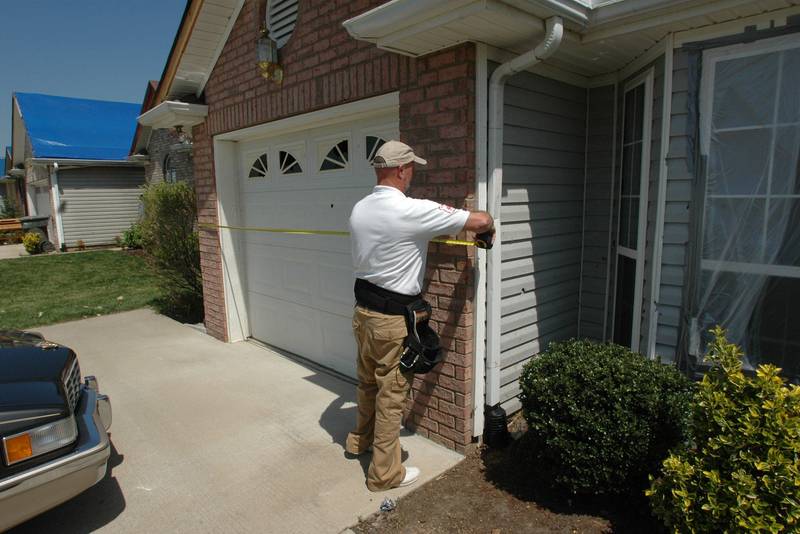
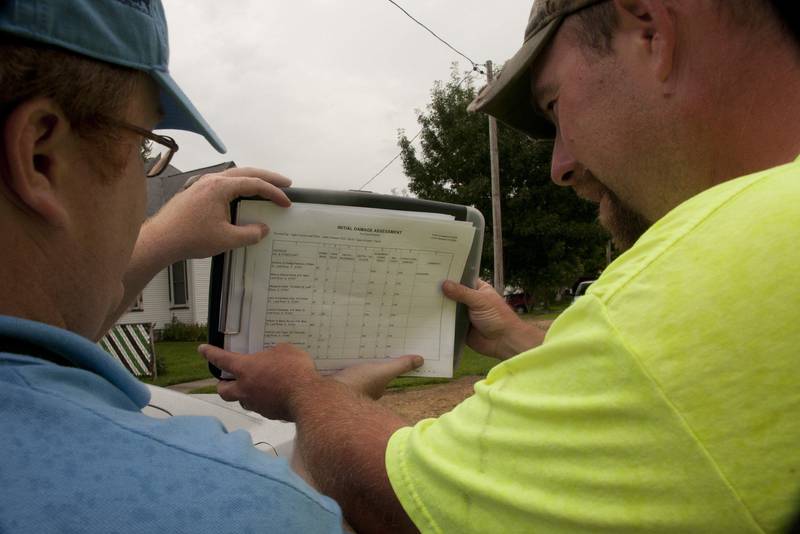
A mediator's job is narrow: look at two competing valuations and figure out whether either one holds up. That is a documentation exercise, not a debate. The side that walks in with a line-item estimate tied to actual repair costs, photos that establish pre-loss condition, and a defensible recoverable depreciation calculation gives the mediator something concrete to anchor on. The side that shows up with a strong opinion and no paper gives the mediator nothing to work with, and mediators do not fill that gap in your favor. This is why two homeowners with nearly identical damage can walk out of mediation with very different settlements. It is rarely about who argued better. It is about whose estimate could survive being picked apart line by line. Claim files often come down to conflicting opinions between two experts, and the work is building the justification that supports the homeowner's loss while staying within reason. A number that traces back to specific scope items, unit costs, and depreciation math is hard to dismiss. A number that is just "what feels fair" is easy to discount, because it gives the other side nothing to push against except a feeling.
How appraisal and mediation differ as paths after a claim denial
Appraisal and mediation get treated as interchangeable after a denial, and they are not. Appraisal is triggered by a specific clause in the policy itself: each side names an appraiser, the two appraisers try to agree on a number, and if they cannot, an umpire breaks the tie. An award agreed by two of the three generally settles the amount of loss, though how binding it is depends on the policy wording and state law. Mediation is a conversation led by a neutral third party, aimed at reaching a settlement both sides agree to. Nobody is forced to accept the outcome. Which path is available depends on the policy language, the state and the nature of the dispute. A pure valuation disagreement, where both sides agree there is covered damage but disagree on the dollar amount, is the classic appraisal-clause scenario. A dispute over whether something is covered at all, or a full claim denial, often is not eligible for appraisal and has to go through a different track, which is where mediation programs matter.
| Factor | Appraisal | Mediation |
|---|---|---|
| Trigger | Policy's appraisal clause | A request under a state program, or agreement between the parties |
| Outcome | An award on the amount of loss, generally binding | Non-binding settlement conversation |
| Who's involved | Two named appraisers plus an umpire if needed | Independent mediator facilitating both sides |
| Typical use | Amount-of-loss disputes | Denied or disputed claims broadly |
Whether you can request mediation, when, and on what terms depends on your state. Some state insurance departments run mediation programs for property claims, and some open them only after a declared disaster. In North Carolina, for example, homeowners who have had a claim partially or completely denied can request a mediation conference, where an independent mediator with no connection to the insurance company facilitates the discussion between the insurer and the policyholder, according to the NC DOI. Your state's insurance department can tell you what it offers. Where a program exists, the mediator's independence matters. It means the mediator isn't grading you on charisma; they're grading the paperwork each side puts in front of them.
What a mediator weighs when reviewing a valuation dispute
The assumption that a mediator just splits the difference between the insurer's number and the homeowner's number is one of the most common and most costly misreadings of the process. The mediation process moves far more smoothly when the facts are stated clearly and supported by evidence, rather than resting on ill-informed conclusions. A mediator is not averaging two guesses. They are testing whether each number can hold up on its own. Before mediation starts, have these ready:
- A line-item estimate, not a lump total. Scope, quantity, and unit cost for every repair item, so the number can be defended piece by piece rather than accepted or rejected as a whole.
- Pre-loss condition evidence. Photos, receipts, or records showing the property's condition before the damage occurred, so there is no ambiguity about what the loss actually changed.
- A correct recoverable depreciation breakdown. Depreciation withheld at the initial payout should be clearly calculated and, under a replacement cost policy, recoverable once repairs are documented; mistakes here can short a valuation without anyone noticing.
- A record of prior correspondence with the insurer, including the original denial or lowball estimate and any adjuster notes that contradict the field evidence.
- Photos time-stamped and organized by damage type, not a folder of random images, so the mediator can move through the claim systematically instead of hunting for context.
On a straightforward claim with clear, undisputed damage and a cooperative adjuster, a homeowner can often assemble this file themselves and get a fair number without outside help. Where it gets harder is when the estimate involves disputed causation, layered damage from multiple events, or depreciation math the insurer applied incorrectly. That is where the documentation burden gets heavy, and where a homeowner working alone is most likely to leave gaps.
Building the file before you need it
Start by pulling together what you already have: the original denial or estimate letter, any pre-loss photos or records, and the adjuster's stated reasoning. If any of those three pieces is missing or thin, that is the gap to close before requesting mediation, not during it. If you're facing a denied or undervalued claim and want that file reviewed before mediation is scheduled, Melo Property Claims offers a no-obligation claim review, in each of the states we serve, to check whether the estimate and depreciation math will hold up.