Water damage can wreak havoc on your home, leaving behind a trail of destruction and financial strain. Fortunately, if you have the right insurance coverage, filing a water damage insurance claim can help you recover and rebuild. In this guide, we'll walk you through the essential steps and provide valuable tips to streamline the water damage insurance claim process.
Understanding Your Coverage
Before diving into the claims process, it's crucial to understand your insurance policy thoroughly. Which policy pays depends on where the water came from:
- Sudden and accidental water from inside the home, such as a burst pipe or a failed water heater or washing machine hose, is usually covered by a standard homeowners policy.
- Flooding, meaning surface water, overflowing rivers or storm surge, is excluded from standard homeowners policies. It is covered only by a separate flood policy, from the National Flood Insurance Program or a private insurer, and flood policies have their own rules and deadlines.
- Slow leaks and seepage that happen over weeks or months are often excluded as wear and tear or poor maintenance.
- Sewer and drain backup usually needs its own endorsement.
Review your policy carefully to identify the scope of coverage, exclusions, and limitations. Familiarizing yourself with these details will empower you to make informed decisions during the claims process.
Prompt Action is Key
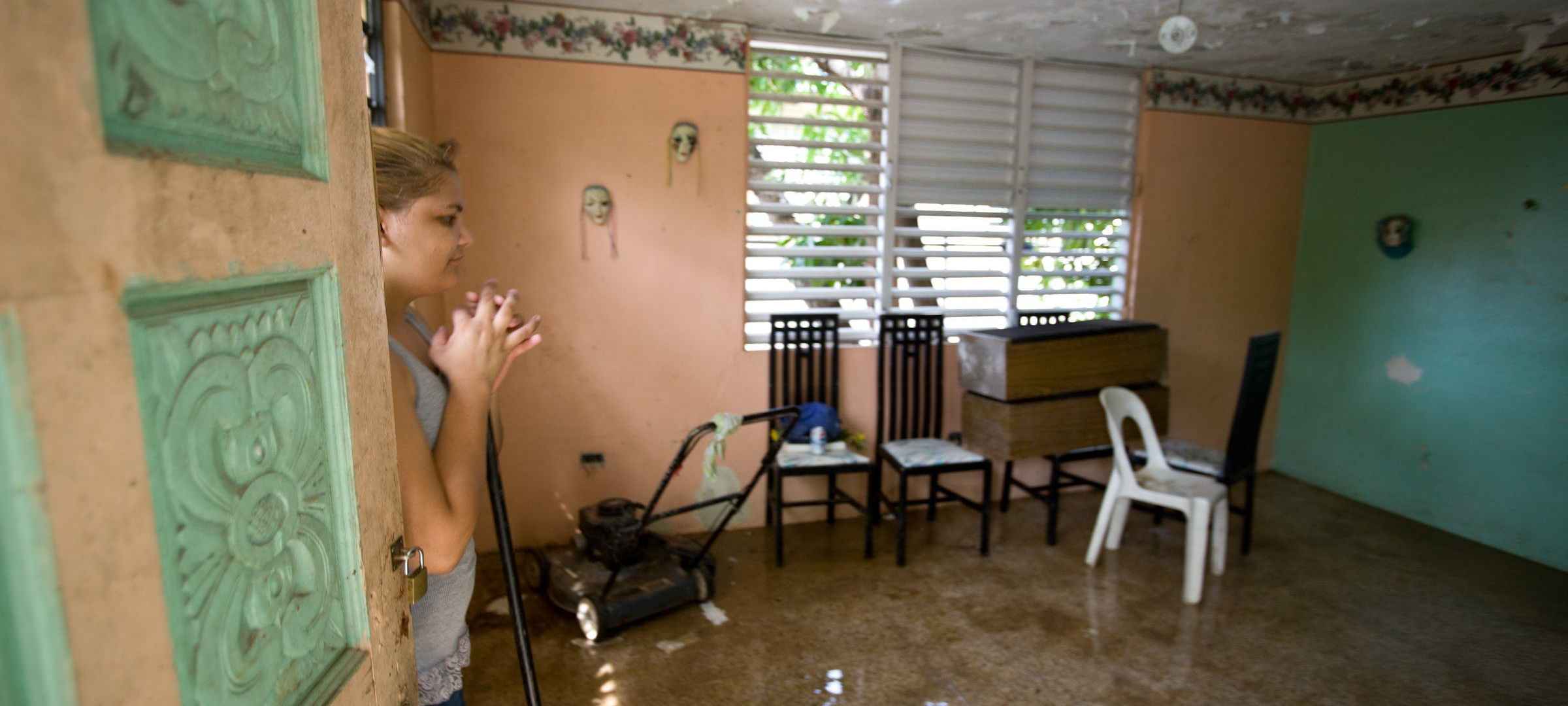
Once you discover water damage in your home, taking prompt action is crucial. Document the damage by taking photographs or videos to provide visual evidence for your claim. Additionally, take steps to mitigate further damage, such as stopping the water source, if possible, and removing valuables from affected areas. Most policies require you to take reasonable steps to protect the property from further damage, and damage that spreads because nothing was done may not be paid. Keep the receipts for what you spend doing it.
Contact Your Insurance Company
The next step is to contact your insurance company as soon as possible. Provide them with a detailed description of the water damage, including the cause and extent of the destruction. Be prepared to share the documentation you collected, as this will serve as crucial evidence during the claims process. Many insurance companies have a dedicated claims hotline, so make sure to report the incident promptly.
Follow the Water Damage Insurance Claim Process
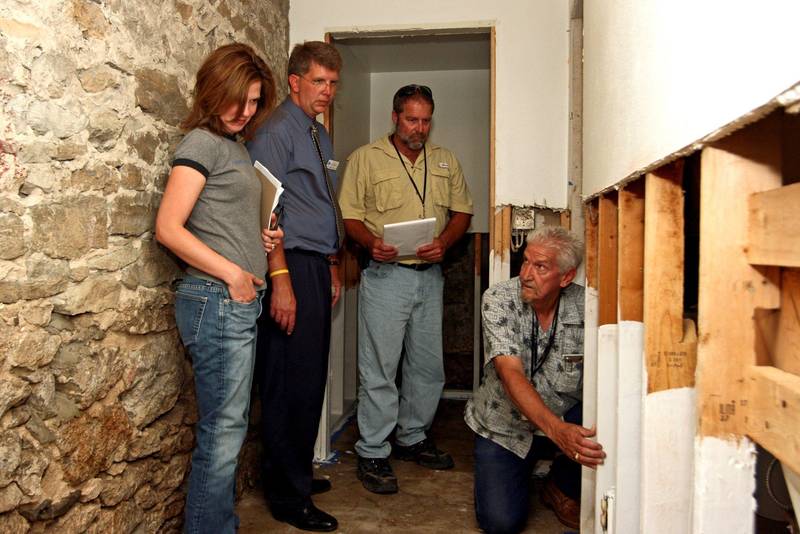
Each insurance company has its specific water damage insurance claim process. Typically, they will assign an adjuster to assess the damage and determine the validity of your claim. That adjuster works for the insurance company. Cooperate fully with the adjuster, providing them with all the necessary information and documentation. Keep a record of all communication with your insurance company, including names, dates, and a summary of discussions.
Tips for a Smooth Claims Process
- Thorough Documentation: The importance of documenting every aspect of the water damage cannot be overstated. Detailed documentation, including photographs, receipts, and a written description of the incident, will strengthen your claim.
- Be Diligent and Persistent: Insurance claims can sometimes be a lengthy process. Stay diligent and persistent, following up with your insurance company to ensure that your claim progresses smoothly.
- Understand Your Policy Limits: Be aware of the coverage limits and deductibles specified in your policy. Understanding these details will prevent any surprises during the claims process.
- Consider Hiring Professionals: In some cases, hiring water damage restoration professionals may be necessary. Keep receipts for these services, as they may be eligible for reimbursement. If the insurer's estimate looks short, a licensed public adjuster can document the loss and negotiate for you. Licensing and fee rules for public adjusters vary by state; Melo Property Claims works in the states we serve.
Filing a water damage insurance claim can be a complex process, but with careful preparation and adherence to the tips provided, you can navigate it successfully. Remember to act promptly, document the damage thoroughly, and communicate effectively with your insurance company. By following these steps, you'll increase the likelihood of a smooth claims process and expedite the restoration of your home.