If you’re a homeowner or business owner searching for how to maximize a water damage claim, you might be surprised at how much a few simple habits can change what you are paid after a burst pipe, fire, or another disaster. A property owner should never do anything dishonest when working with an insurance company, and you don't need to: most underpaid claims are underpaid because damage was missed or left undocumented, not because the owner failed to argue.
How to maximize your water damage claim:
- Document all damage
- Don’t overlook items
- Save receipts
- Report the damage to your insurance company quickly
- Be wary of accepting a low offer
- Hire a public adjuster
Before you accept a check from your insurance company or assume that you’ll be paying far more damage costs than you can manage after a water loss, check out these tips for maximizing your water damage claim, so you are paid everything your policy owes and can rebuild or replace damaged items as quickly as possible.
How to Maximize a Water Damage Claim
During and immediately after a fire, flood, plumbing disaster, or another such event at home or your commercial property, your safety and that of your family, pets, staff, visitors, and others should be your first priority. Even when trying to salvage items or document damage, never do anything that might put your safety in jeopardy and especially when working in a damp environment with live electricity nearby.
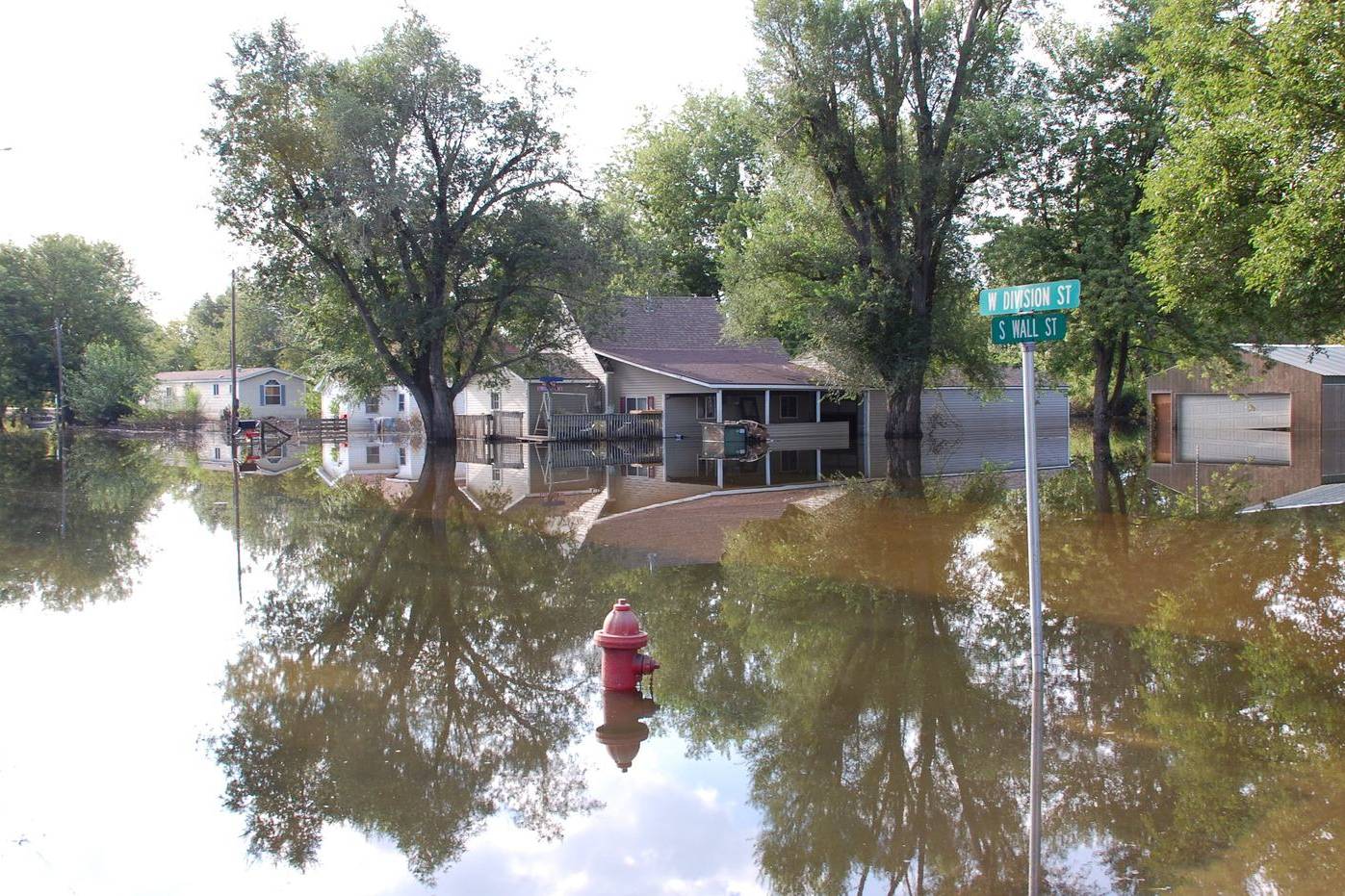
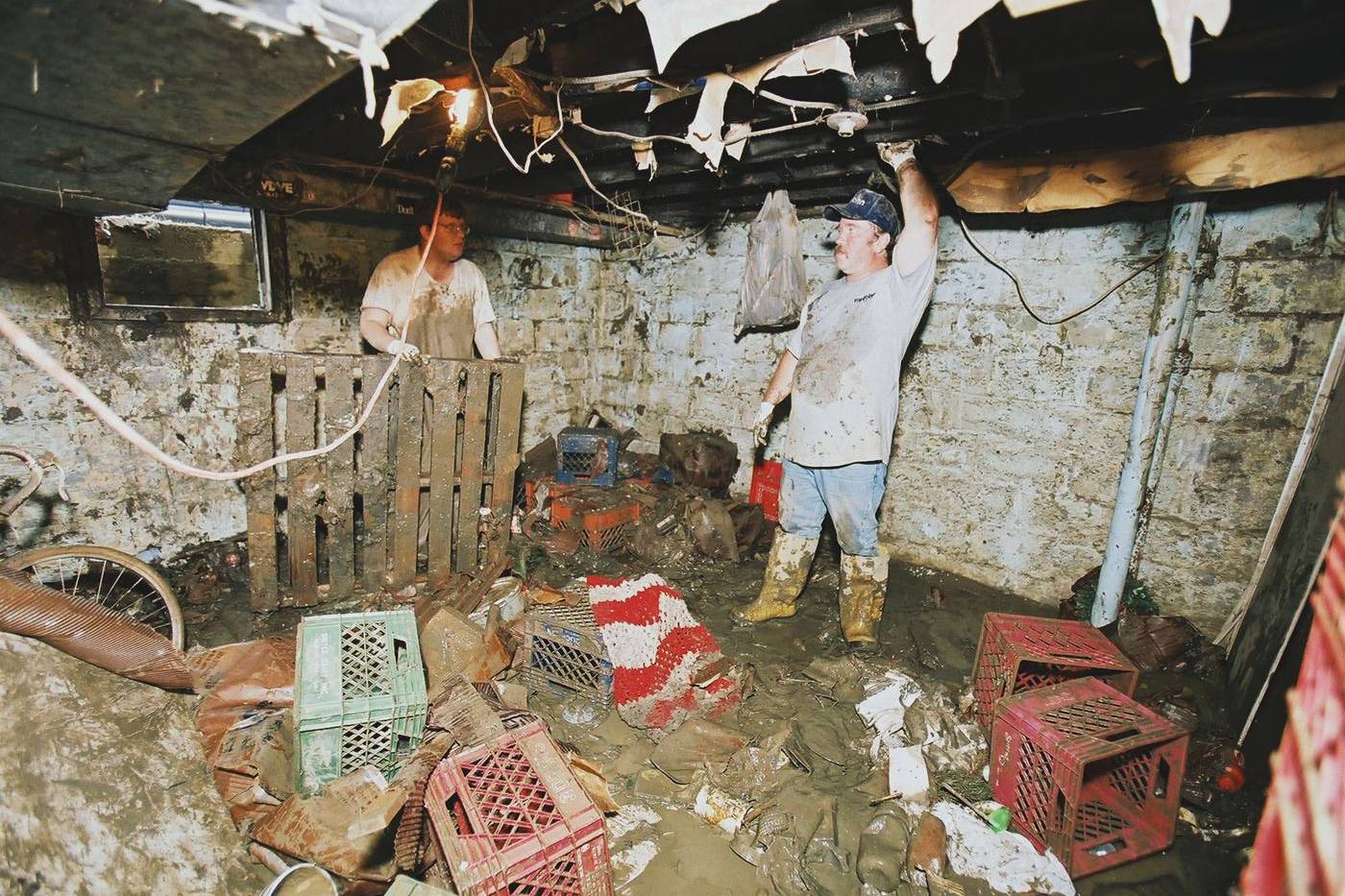
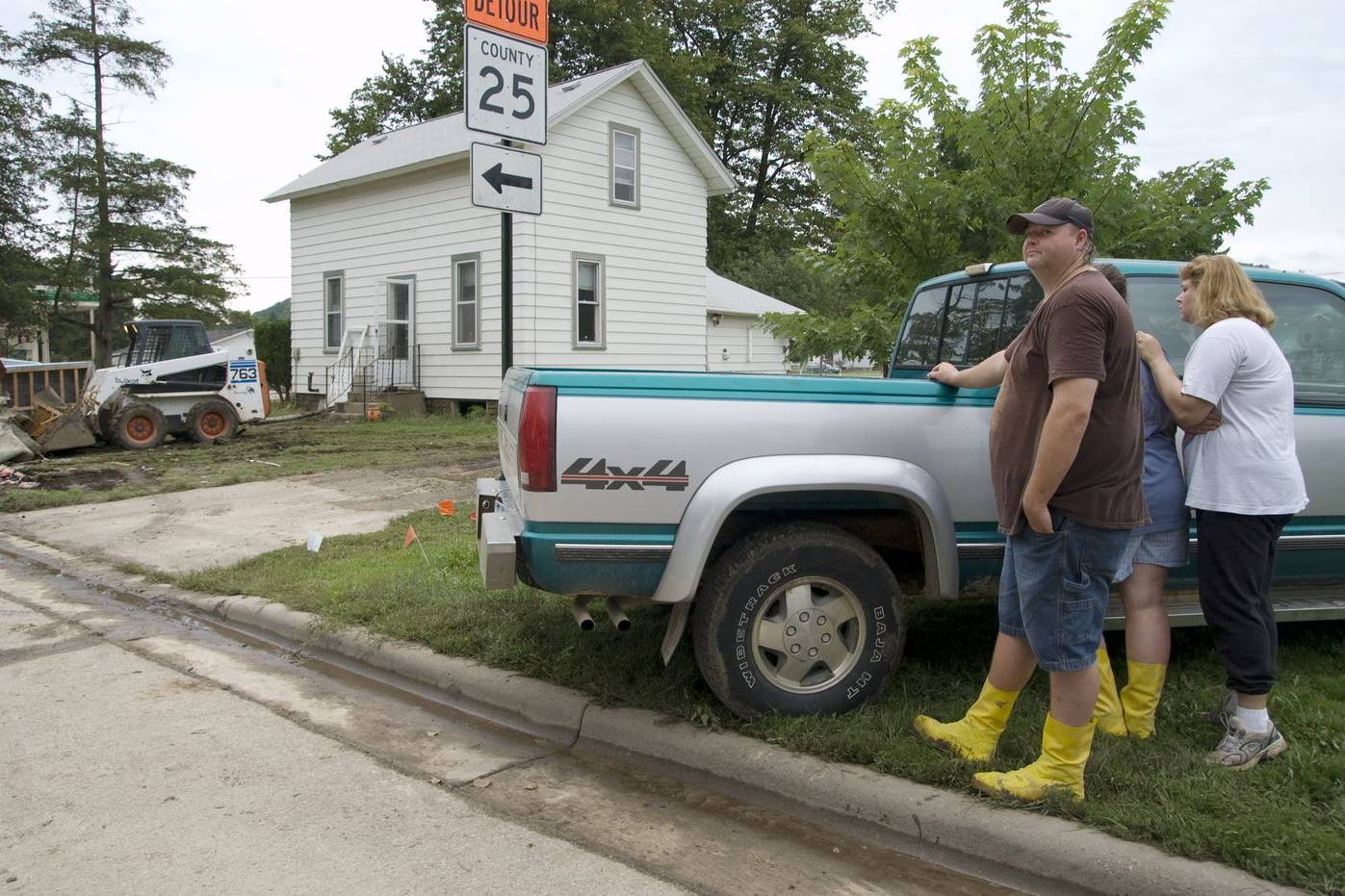
A property owner should also remember that water from burst plumbing pipes and outside floods can contain lots of harmful bacteria, germs, and other irritants, so always wear protective gear including rubber boots and gloves when working in flooded areas. Once you’ve ensured your safety, note a few tips for then maximizing your water damage claim.
Ensure you document all damage
One common mistake made by property owners after a flood, fire, or other such disaster is failing to document all damage to their property. Some people might assume that they simply fill out a claim report and list damaged items and that the insurance company will accept their statement without question. This isn’t always the case.
The more documentation you have to support your claim is one way how to maximize your water damage claim. This includes photographs, repair and replacement estimates, original purchase receipts or appraisals, and other such documentation. Even photographs you take with your smartphone can help bolster your claim.
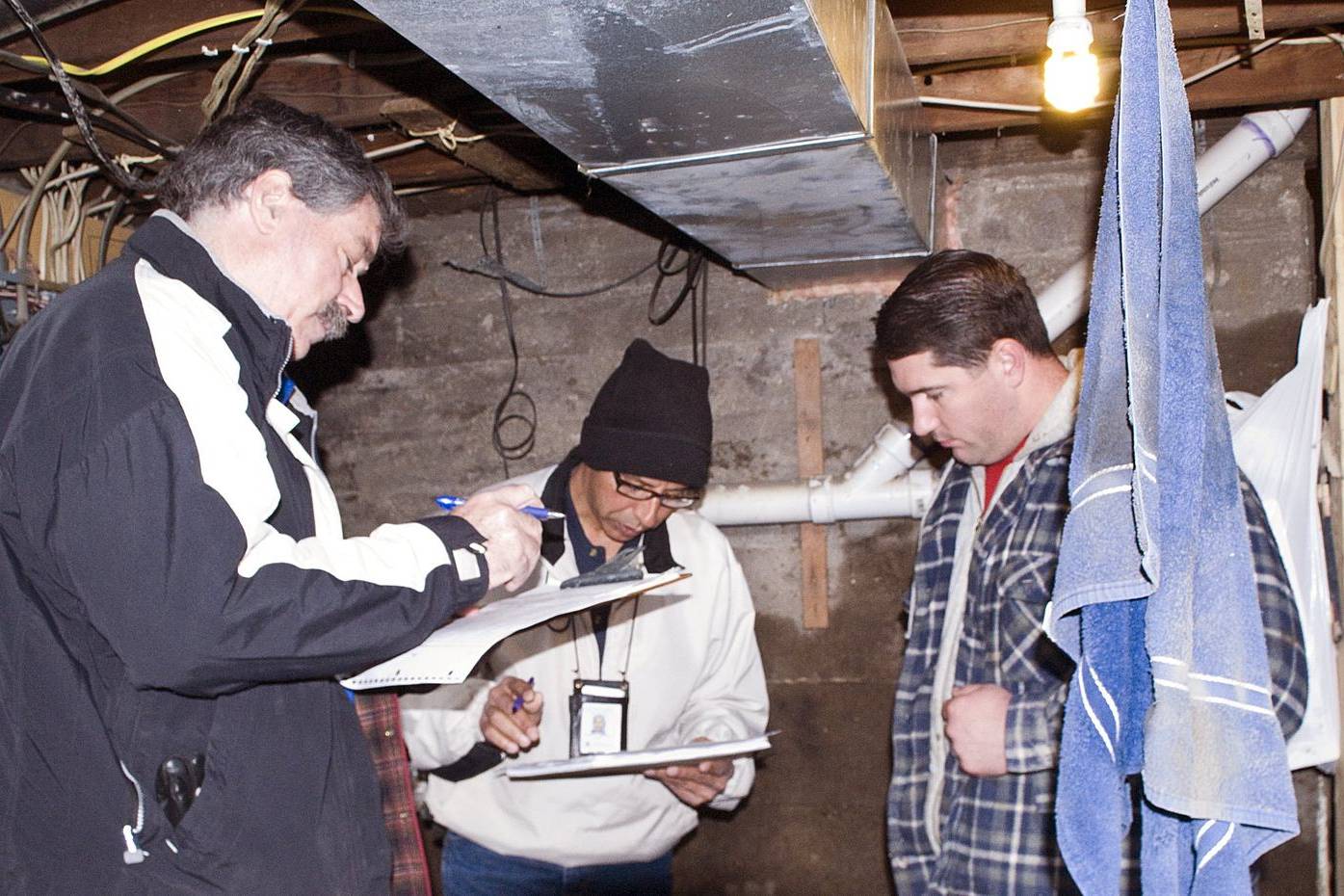
As mentioned, you want to ensure you stay safe after a fire, flood, or other disasters, but snapping pictures of damaged property and personal items with your phone, making lists of items damaged, and even measuring areas of damage can help maximize your claim. If it’s safe to do so, get as much documentation and record of all damage as possible after a disaster on your property.
Don’t overlook damaged items, no matter how insignificant
If you don’t include various items in your insurance claim after a water loss or other disaster, you won’t get reimbursed for their repair or replacement cost. One common mistake made by property owners is to overlook small damaged items, perhaps thinking they’re so insignificant that they shouldn’t be included.
While you don’t need to list every single item individually on an insurance claim, you also don’t want to overlook clothing, personal care items (makeup, toiletries), books, kitchen tools, food items, and the like. Make a detailed list of these items and then ask your insurance agent or claims adjuster about including them on your claim paperwork, so you’re reimbursed properly.
Save your receipts
Most homeowners won’t have receipts for items they’ve owned for some time such as everyday clothing and kitchen gadgets, but saving receipts for expenses incurred after the loss helps ensure a maximum payout. This includes receipts for emergency water extraction and drying, a hotel if the home is unlivable, and the extra cost of eating out if your home’s kitchen can't be used. (A car damaged by water is an auto insurance claim, not a homeowners one.)
Even if you’re not sure about an expense, save your receipt or other documentation. The worst that can happen is that your insurance carrier denies that expense, but you have less chance of getting something reimbursed if you don’t include it in your claim and can’t provide a receipt when required. Receipts also help keep you organized after a disaster so you’re less likely to forget to include a certain expense.
Report the damage to your insurance company quickly.
Not only are you typically required to report a disaster or damage to your insurance company promptly, but waiting to report an incident can give the insurer leverage to argue against items on your claim. Its adjuster might refuse the cost of mold damage cleanup, as an example, by arguing that you waited too long to schedule water damage repairs, allowing mold to grow and spread.
Remember that reporting damage to your insurance company isn’t the same as filing a claim. A quick phone call might be sufficient for reporting an incident, and you can follow up about needed paperwork when possible. However, ensure you make that call as quickly as possible after an incident, even if you call after business hours, so your report is on record with your insurance coverage provider.
Be wary of accepting the first offer especially if it seems too low
After a disaster, you’ll need money to replace or repair damaged items, and to compensate for having to stay in a hotel, eat out, and the like. This is one reason many property owners are quick to accept the first offer from their insurance company, but this can be a costly mistake.
A first offer is only as complete as the inspection behind it. Wet insulation inside walls, damaged subfloor, cabinets that have swelled, and the cost of matching flooring across connected rooms are easy to leave out. If your company’s first offer is sufficient then, of course, it’s your decision as to whether or not to take it, but never assume that you must accept that offer or get no compensation at all. Compare it line by line with your own contractor's estimate first.
Hire a public adjuster
A public adjuster works for an insurance policyholder, negotiating with the insurance company for the full benefits a claim is owed. While public adjusters aren’t necessarily needed for smaller claims, their work can make a real difference on large or disputed water, fire and storm claims.
Public adjusters are experienced in preparing claims, so nothing is overlooked. A public adjuster will also check that everything covered in your policy is included in the claim, including items and expenses you might miss. Most are paid a percentage of the settlement, and both licensing and the fees they may charge are set state by state; see what a public adjuster charges.
Insurance Coverage for Water Damage
Most homeowner’s insurance covers water damage if it’s caused by something sudden and accidental, such as a burst plumbing pipe or water heater. Each part of the policy covers a different piece of the loss.
As every policy is different, it’s vital to note the coverage you’ve selected for your property and those coverage amounts. However, note some common options you might find in your homeowner's insurance policy and what those options often cover.
- Dwelling coverage refers to your home itself. This coverage is what pays out for damaged walls, ceilings, and the like.
- Personal property coverage, as the name implies, reimburses for damage to personal items such as furniture and clothing.
- Additional living expenses coverage pays for temporary expenses incurred because you cannot use your home while it’s being repaired. For example, if your kitchen is being repaired, additional living expenses coverage might reimburse you some of the cost of having to eat out.
- Liability coverage pays if you are legally responsible for damage to someone else’s property or for an injury. If water from your home damages a neighbor’s unit and you are found responsible, as an example, liability coverage might pay for their repairs.
Homeowners should also note that standard policies do not cover flooding from outside, such as surface water, overflowing rivers or storm surge. That needs a separate flood policy, from the National Flood Insurance Program or a private insurer. Floods happen outside mapped flood zones too, so if heavy rain, a nearby river or creek, or the coast could put water in your home, consider flood insurance. Sewer and drain backup is also excluded by many policies unless you add an endorsement.
Your insurance policy is also not likely to pay out for damages due to neglect, DIY repairs, and the like. For example, if you’ve been told that your home’s plumbing leaks and you refuse to make repairs or upgrades, or make poor-quality repairs yourself, you probably won’t be reimbursed for damages if those pipes burst and flood your home.
Is Wet Rot Covered by House Insurance?
Homeowners' insurance typically covers unexpected, sudden damage, as said. If wood rot, crumbling drywall, and other such damages are caused by a sudden release of water, such as from a burst pipe, your homeowners’ insurance will probably cover that damage.
However, if that rot, mold, or other damage is caused by a slow plumbing leak, foundation cracks, poor-quality insulation, or other such preventable factors, you are not likely to be reimbursed for repairs. An insurance policy assumes that a homeowner will take reasonable care of their home; damage caused by neglecting repairs and needed maintenance is typically not covered under a standard policy.
As wood rot and other such damage can develop over time, this is one reason to ensure you report an incident to your insurance carrier quickly. Neglecting to report water damage in a timely fashion might allow your carrier to claim that wood rot, mold, water stains, and other such damage are due to aging building materials, trapped humidity, and the like. While denying claims for these reasons doesn’t always happen, reporting an incident quickly helps reduce such risks.
Insurance Coverage for Mold
As with wood rot and water damage, removing mold caused by water from a burst pipe or water used to extinguish a house fire might be covered by your carrier, if you make a claim quickly and properly, though many policies cap mold cleanup at a lower limit. However, mold caused by plumbing leaks, water seeping in through foundation cracks, trapped humidity, and other such causes is not likely to be covered.
If you’re not sure what is or is not covered by your insurance policy, speak with your agent or a public adjuster. A public adjuster is especially helpful in examining policies and their coverage options and can explain your coverage in greater detail.
Will Insurance Cover Hidden Water Damage?
Because homeowner’s insurance covers water damage from sudden and accidental events, it’s not likely to cover repairs needed due to hidden water damage, or damage caused by a long-term plumbing leak, steam from pipes or appliances, HVAC appliances leaking, and the like.
Some insurers offer an endorsement that adds limited coverage for hidden water damage. Check with your insurance agent if you’re concerned about hidden water damage in your home, and your insurance coverage.
Deal With Insurance After Water Damage
One of the first things you want to do after water damage in the home is to call your insurance company and notify it of the incident. As said, this is different than filing a claim but will minimize the risk of the insurer denying it by saying that property damage was caused by long-term neglect and other such issues.
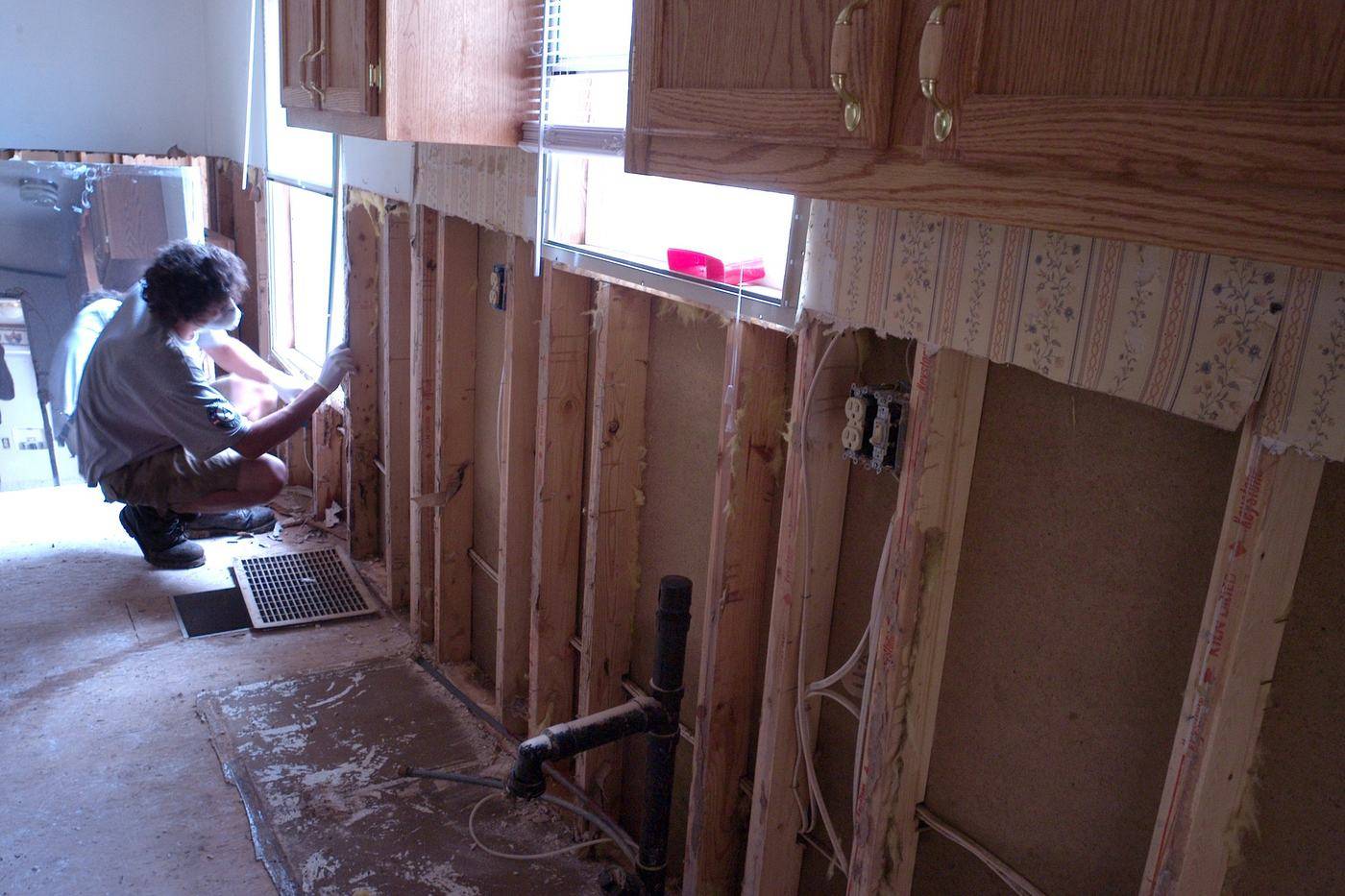
If possible, review your policy or speak to your agent about what’s needed for a claim payout. Ask if you’re required to use the services of an outside water damage mitigation company or can handle repairs yourself, and how long you have to file the actual claim. You also want to start making a record of your losses and repair or replacement costs; this includes photos of the damaged items or property.
A public adjuster can file your initial claim if you’re feeling overwhelmed or confused about how to receive reimbursement for your losses. He or she can go through your paperwork, review the damages themselves, and then negotiate with your carrier for everything the policy owes. Call one as soon as possible after an incident, so the time allowed to file a claim doesn’t lapse, and check that the adjuster is licensed in your state with your state's insurance department.
Melo Property Claims is happy to provide this information to our readers and hopefully, it helped answer the question of how to maximize a water damage claim. If you need help with an insurance claim, our licensed public adjusters work for homeowners and businesses in each of the states we serve. We handle every case with care and work hard to recover everything your policy owes. For more information, give us a call today.