

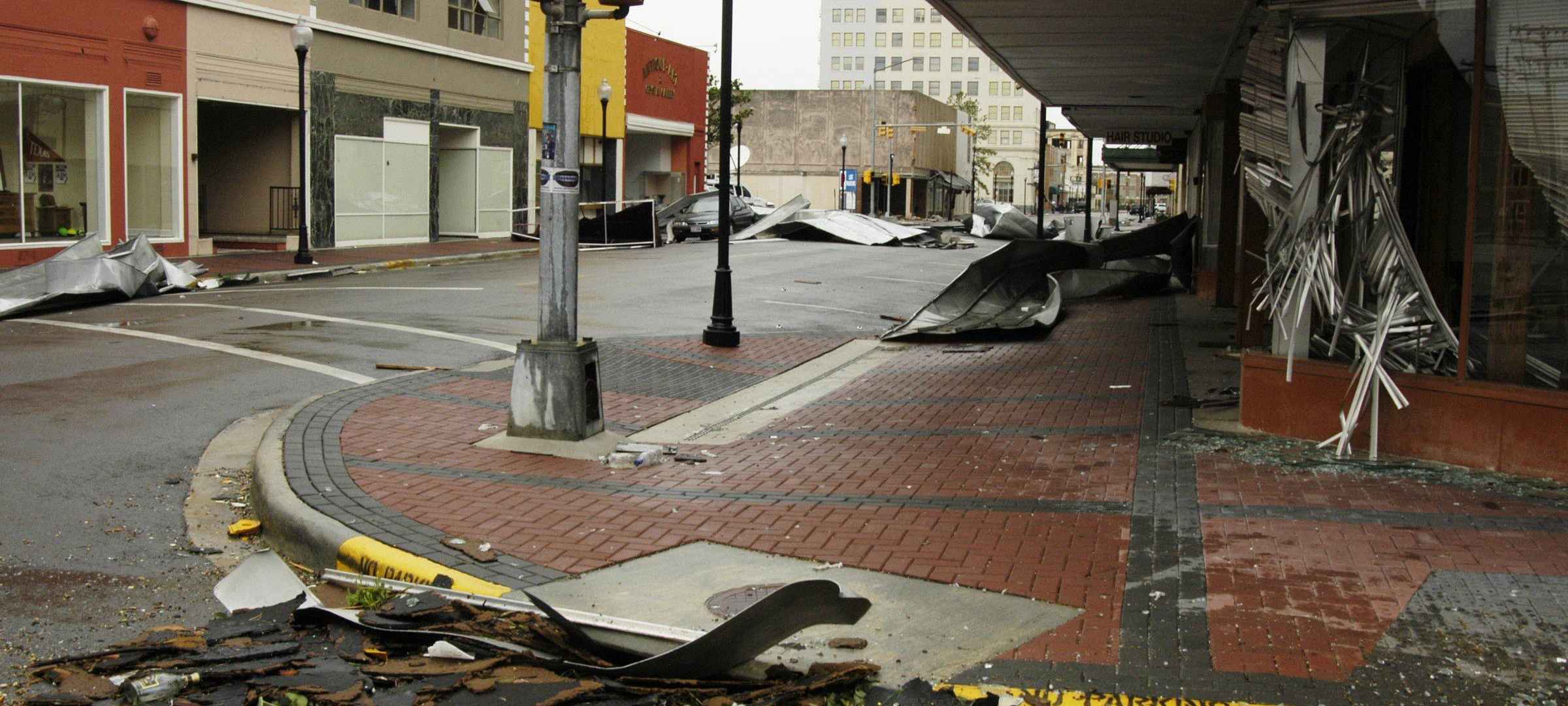
Commercial property damage can pose significant challenges for businesses, disrupting operations and impacting the bottom line. In the face of such adversity, having a solid understanding of the commercial property damage insurance claims process is crucial. This guide will walk you through the key steps and considerations involved in navigating the complexities of commercial property damage insurance claims.
Immediate Action and Safety First
When commercial property damage occurs, the safety of employees and occupants should be the top priority. Once everyone is safe, take immediate action to mitigate further damage. This may include securing the property, addressing any immediate hazards, and contacting emergency services if necessary.
Notify Your Insurance Company
Promptly inform your insurance company about the commercial property damage. This step initiates the claims process, and the sooner you report the incident, the quicker the assessment and resolution can begin. Provide detailed information about the incident, including the date, time, and nature of the damage. Ask for a complete copy of your policy and note any deadlines it sets, such as for a sworn proof of loss; those deadlines, and the rules on how quickly the insurer must respond, depend on the policy and on the state the property is in.
Document the Damage
Thorough documentation is essential for a successful commercial property damage claim. Take photographs and videos of the affected areas, capturing the extent of the damage to the structure, inventory, and any other relevant assets. Detailed documentation will serve as crucial evidence during the claims process.
Commercial Property Damage Insurance Claims Adjuster
Upon filing a claim, your insurance company will likely assign a commercial property damage claims adjuster. This professional will assess the extent of the damage, review your documentation, and determine the value of the claim. Work with the adjuster and provide the information they ask for, but remember that they are employed or hired by the insurer and their estimate is the insurer's opening position, not the final word.
Temporary Relocation and Business Interruption Coverage
In some cases, commercial property damage may render the business premises unusable. Check your insurance policy for coverage related to temporary relocation and business interruption. Business interruption (business income) coverage can help cover lost income during the period of restoration, and extra expense coverage can help pay the added cost of operating from a temporary location. Not every policy includes these coverages, and those that do often have a waiting period before payments start, so read that section closely. Keep the financial records, such as past sales, payroll and tax returns, that you will need to prove the loss of income.
Obtain Repair Estimates
Once the initial assessment is complete, obtain repair estimates from reputable contractors. These estimates should align with the scope of work needed to restore the property to its pre-damaged condition, including any upgrades that current building codes require; whether those are paid depends on your policy's ordinance or law coverage. Share these estimates with your claims adjuster and compare them line by line with the insurer's estimate to find the differences.
Negotiation and Settlement
The commercial property damage insurance claims process often involves negotiation between you, your insurance company, and potentially, contractors involved in the restoration. Be prepared to discuss and negotiate the settlement amount, keeping in mind the repair estimates and the terms of your insurance policy. Many commercial property policies carry a coinsurance clause, which can reduce the payment if the building was insured for less than the share of its value the policy requires, so check how your limits compare with the property's value. If you and the insurer agree the loss is covered but not on its amount, many policies include an appraisal clause for settling that dispute.
Rebuilding and Restoration
Once the claim is settled, you can proceed with the rebuilding and restoration process. You choose your own contractors; make sure the repairs meet the agreed scope and specifications. Maintain open communication with your insurance company throughout this phase, and tell it promptly if hidden damage turns up once walls and ceilings are opened, since that may support a supplemental claim.
Ongoing Communication and Documentation
Throughout the entire commercial property damage insurance claims process, maintain ongoing communication with your insurance company. Keep detailed records of all communications, including emails, letters, and notes from phone conversations. This documentation can be invaluable in case of disputes or if additional information is needed.
Consider Professional Assistance
Navigating the commercial property damage insurance claims process can be complex. Consider seeking professional assistance, such as a public adjuster or legal counsel, to ensure that your interests are protected and that you receive a fair and equitable settlement. Public adjusters are licensed by each state, and the rules on their contracts and fees vary from state to state; your state's insurance department can confirm a license. Melo Property Claims represents business owners in the states listed on our service areas page.
In conclusion, the commercial property damage insurance claims process is a multifaceted journey that demands diligence, documentation, and effective communication. By understanding the key steps and engaging proactively with your insurance company and claims adjuster, you can navigate the challenges of commercial property damage, minimize disruptions to your business, and expedite the recovery process. Cooperate with your insurer, but keep your own records and your own estimates: a well-documented claim is the strongest position from which to negotiate.


