

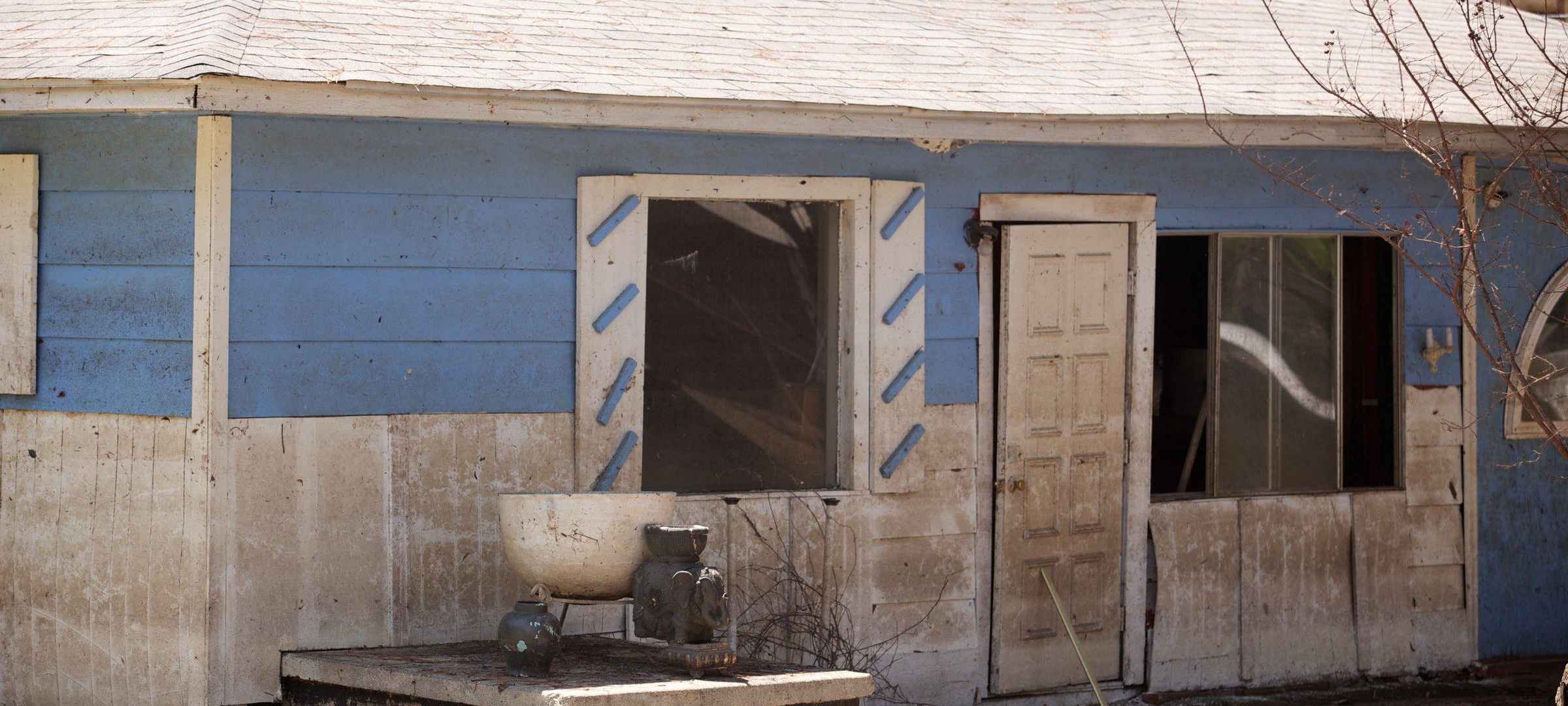
Mold remediation is a crucial process for ensuring a healthy living environment and preventing structural damage to your property. However, one of the most common questions homeowners have is: who pays for mold remediation? The cost of mold remediation can vary widely depending on the extent of the mold problem, but understanding the factors that influence these costs and who is responsible for paying can help alleviate some of the stress associated with this issue.
Understanding Mold Remediation
Mold remediation involves removing mold from your property, cleaning and repairing affected areas, and preventing future mold growth. The process typically includes finding and fixing the source of moisture, setting up containment so spores are not spread through the house, removing mold-infested porous materials such as drywall, insulation and carpet, cleaning hard surfaces, drying the structure, and restoring any damage caused by the mold. Spraying bleach on moldy drywall or wood is not remediation: it can whiten the surface while the growth inside the material remains. Mold remediation is essential when mold growth is extensive or affecting indoor air quality, as mold can lead to health issues and structural damage.
When is Mold Remediation Required?
Mold remediation is required in several situations:
- Visible Mold Growth: If you see mold growing on surfaces such as walls, ceilings, or floors, remediation is necessary to remove the mold and prevent its spread.
- Musty Odors: Persistent musty smells often indicate hidden mold growth, which needs to be addressed to ensure that the issue is completely resolved.
- Health Concerns: If occupants are experiencing health problems such as respiratory issues, allergic reactions, or other mold-related symptoms, remediation should be carried out promptly.
- Water Damage: Mold often follows water damage. If your property has experienced flooding, leaks, or high humidity, remediation is essential to address any mold that may have developed.
The Cost of Mold Remediation
The cost of mold remediation varies based on several factors:
- Extent of Mold Growth: The size of the affected area plays a significant role in determining the cost. Smaller, localized issues are generally less expensive to remediate compared to large-scale infestations.
- Location and Accessibility: Mold found in hard-to-reach areas, such as behind walls or within HVAC systems, may require more extensive work and therefore higher costs.
- Materials Affected: What the mold is growing on matters more than which species it is. Hard surfaces such as metal, glass and tile can usually be cleaned, while porous materials such as drywall, ceiling tiles, insulation and carpet usually have to be cut out and replaced, which adds labour and disposal costs.
- Damage and Restoration: The cost of mold remediation also includes any necessary repairs or restoration of damaged materials. This could involve replacing drywall, flooring, or other structural elements.
Who Pays for Mold Remediation?
Determining who pays for mold remediation depends on the circumstances:
- Homeowners: In most cases, homeowners are responsible for the cost of mold remediation, especially if the mold issue results from a maintenance problem or lack of timely intervention.
- Insurance Coverage: Homeowners' insurance policies may cover mold remediation costs if the mold resulted from a covered peril, such as water damage from a sudden burst pipe. Mold from a slow leak left for months, ongoing humidity or poor maintenance is usually excluded. Many policies also cap mold coverage at a separate, lower limit, and some exclude it entirely; what insurers may offer or exclude varies by state and by policy. Mold that follows a flood is a flood claim, which standard homeowners policies do not cover; only a separate flood policy, if you have one, might respond. Read your policy's mold or "fungi" wording, and if it is unclear, your state's insurance department can explain the rules where you live.
- Landlords and Tenants: In rental properties, the responsibility for mold remediation can vary, and landlord-tenant law differs from state to state and sometimes city to city. Landlords are generally responsible for maintaining a habitable property and may need to cover remediation costs if the mold is due to issues like plumbing leaks or roof damage. Tenants should report mold problems promptly and in writing, and check their lease. In some cases, tenants might need to bear part of the cost if the mold results from their negligence.
- HVAC Mold Remediation: If mold is found within HVAC systems, the cost of remediation may be higher due to the complexity of cleaning and repairing these systems. Typically, the property owner is responsible for this cost unless it falls under insurance coverage.
Conclusion
Mold remediation is a necessary but often costly process that ensures a safe and healthy living environment. The responsibility for paying for mold remediation can vary depending on the source of the problem and the terms of your insurance policy or lease agreement. Understanding when remediation is required, the factors affecting the cost, and who is responsible for paying can help you manage this process effectively. If you’re uncertain about coverage or costs, a professional mold remediation company can scope the work, and a licensed public adjuster can read your policy and present the claim to your insurer. Melo Property Claims handles water and mold claims in the states we cover.


