

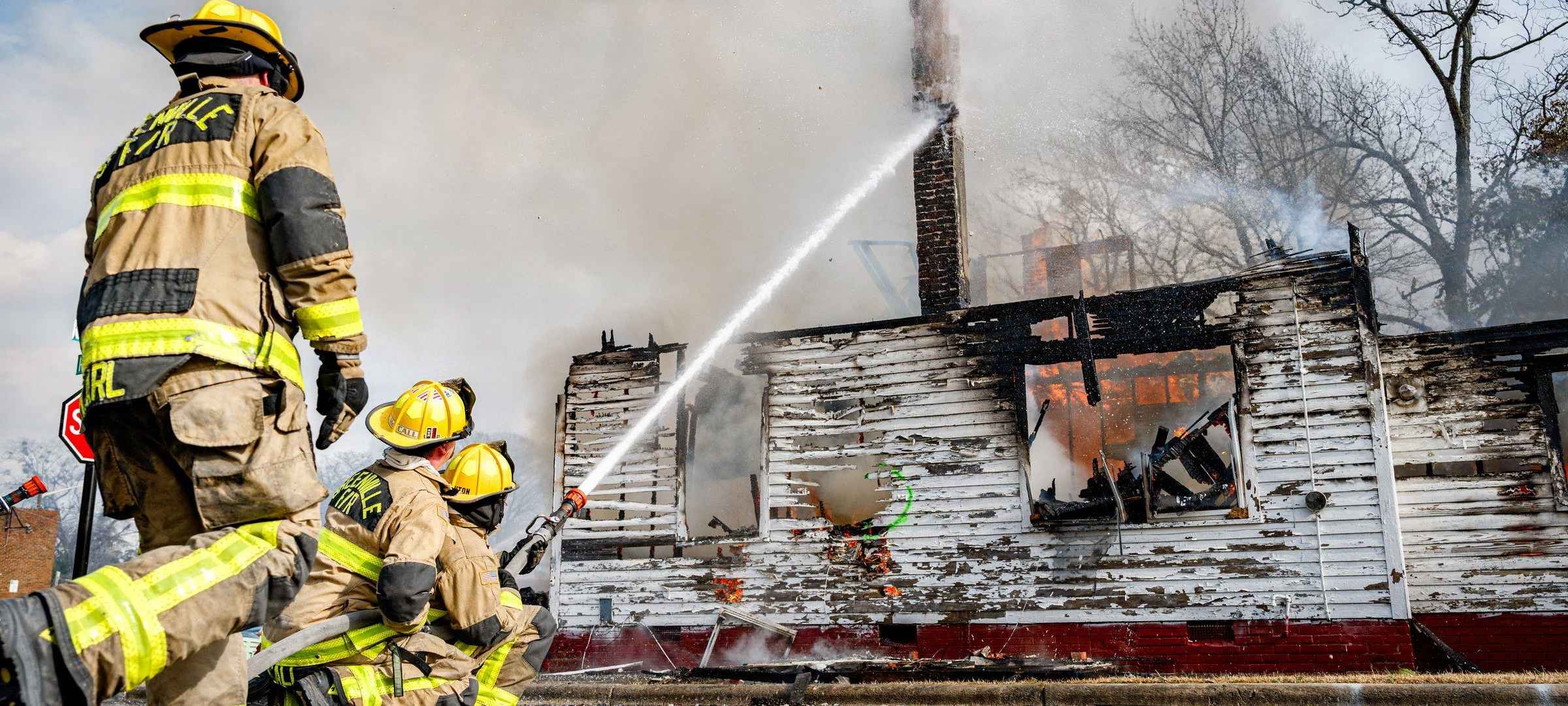
Experiencing a house fire can be devastating, both emotionally and financially. In such challenging times, understanding the fire insurance claim process and knowing how to navigate it effectively can significantly ease the burden of recovery. This blog offers crucial tips and insights to help homeowners manage fire insurance claims efficiently, focusing on key aspects such as documentation, communication, and restoration.
Understanding Fire Insurance Claims
What is a Fire Insurance Claim?
A fire insurance claim is a formal request made to an insurance company to compensate for damages caused by a fire. Depending on your policy, it can cover repair or replacement of the home and its contents, smoke and water damage from firefighting, debris removal, and additional living expenses if the home becomes uninhabitable during repairs.
Fire Insurance Claim Tips
Prompt Notification
Notify your insurance company immediately after the fire. Most policies require prompt reporting of claims, and delaying notification could potentially affect your coverage. Ask for a complete copy of your policy, including the declarations page, so you know your limits.
Safety First
Ensure the safety of yourself and your family before assessing damage or attempting any cleanup. Follow guidance from fire officials and structural engineers regarding when it is safe to re-enter the property.
Document Everything
Document the damage thoroughly. Take photographs and videos of the affected areas and damaged belongings before any cleanup or repairs begin. Do not throw away damaged items until they have been documented, and ideally until the insurer's adjuster has seen them. This visual evidence will be invaluable during the claims process to substantiate your losses.
Mitigate Further Damage
Take reasonable steps to prevent further damage to your property. This may include covering exposed areas with tarps, boarding up windows, or drying out water-damaged areas to prevent mold growth.
Keep Records of Expenses
Keep detailed records of all expenses related to fire damage and temporary living arrangements. This includes receipts for accommodations, meals, mileage, and any other expenses incurred as a result of being displaced from your home. Additional living expense coverage generally pays the increase over your normal costs, up to the policy's limit or time period.
Working with a Fire Damage Claim Adjuster
Understanding the Role
A fire damage claim adjuster is an insurance professional responsible for assessing the extent of damage, determining coverage, and negotiating settlements on behalf of the insurance company. They will inspect the property, review documentation, and evaluate the validity of the claim. If you want someone working on your side of the table, you can hire a licensed public adjuster to prepare and negotiate the claim for you.
Comprehensive Documentation
Present the adjuster with comprehensive documentation, including inventories of damaged items, repair estimates from contractors, and any relevant receipts or invoices. Clear and organized documentation helps expedite the claims process and ensures accurate assessment of damages.
Communication and Cooperation
Maintain open communication with your insurance company and the claim adjuster throughout the process. Be responsive to requests for information or additional documentation to facilitate a smoother resolution of your claim.
Fire Damage Restoration Tips
Hire Qualified Professionals
Select reputable fire damage restoration professionals who are experienced in handling fire cleanup and restoration. They should be licensed where your state requires it, insured, and able to provide references. You choose your contractor; the insurer may recommend one, but you are not required to use it.
Restore Safely and Thoroughly
Ensure that all fire damage restoration work meets safety standards and building codes. Proper restoration is crucial for returning your home to its pre-loss condition and preventing future issues related to fire damage.
Review Your Policy
Review your insurance policy carefully to understand coverage limits, exclusions, deductibles, and any additional endorsements that may apply to fire damage claims. Look in particular at whether contents are paid at replacement cost or actual cash value, and whether the policy pays for code upgrades the rebuild requires. Understanding your policy terms empowers you to make informed decisions throughout the claims process.
Conclusion
In conclusion, navigating fire insurance claims requires diligence, documentation, and effective communication with insurance professionals and restoration experts. By following these tips and getting professional help when needed, homeowners can streamline the claims process and speed their recovery after a house fire. Melo Property Claims handles fire claims for homeowners in the states listed on our service areas page.
While the aftermath of a fire can be overwhelming, taking proactive steps and seeking guidance from qualified professionals ensures that you receive the support and compensation needed to rebuild and recover effectively. Remember, your insurance policy is a contract: by understanding its terms and meeting its requirements, you give yourself the best chance of a successful fire insurance claim outcome.


