

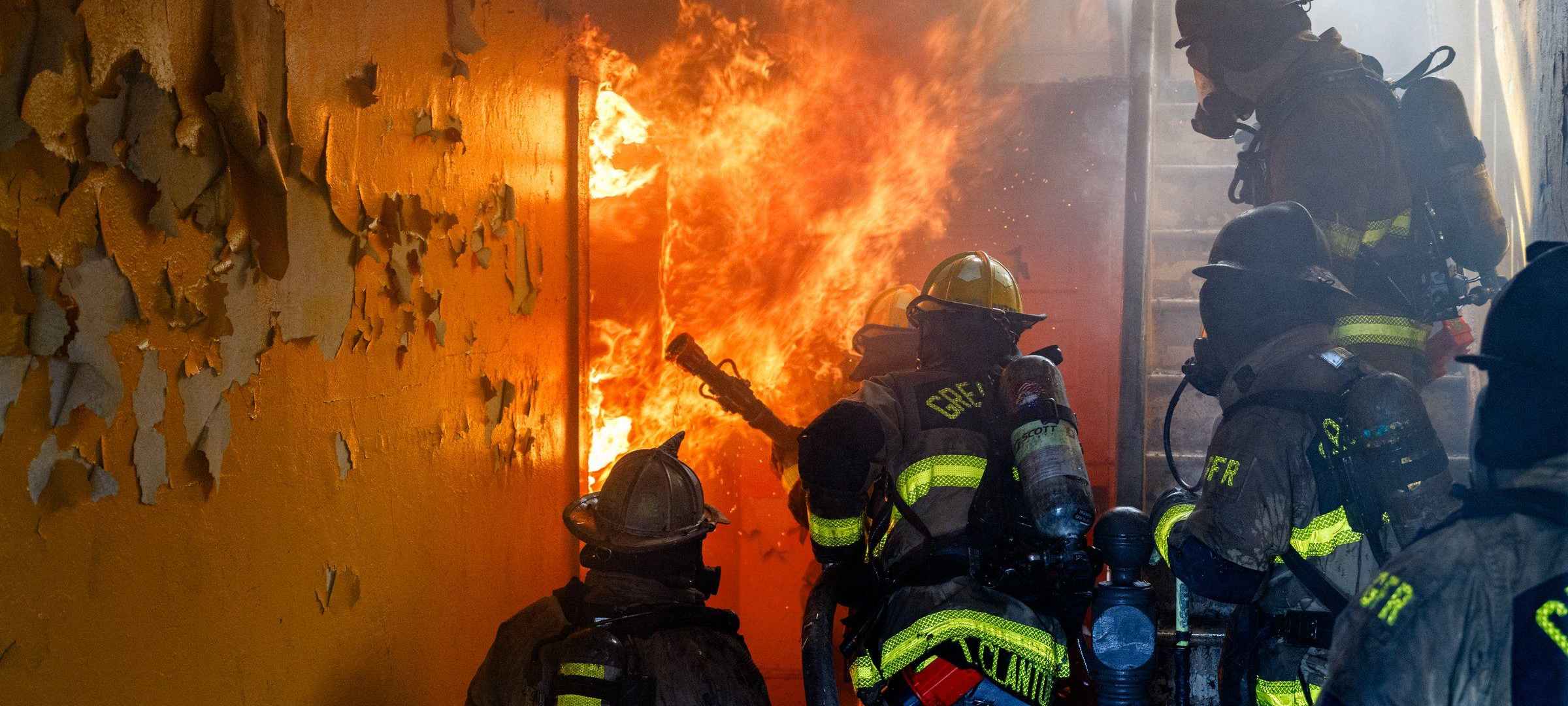
Experiencing a fire can be a devastating and traumatic event, leaving homeowners and property owners grappling with the aftermath. In such challenging times, understanding the process of filing fire damage insurance claims becomes crucial for rebuilding and recovering. This guide will outline the essential steps and considerations involved in claiming fire damage insurance, wherever your property is.
Prioritize Safety and Mitigation
Before delving into the intricacies of an insurance claim, the safety of individuals and the mitigation of further damage should take precedence. Once the fire is extinguished and everyone is safe, it's essential to prevent additional harm to the property by securing it and addressing immediate issues, such as structural damage or exposure to the elements.
Contact Emergency Services and Report the Incident
Call 911 first. Once the immediate danger is addressed, ask the fire department how to get a copy of its incident report, and file a police report if the fire may have been set or if anything was stolen afterward. This official documentation will be crucial when filing your fire damage insurance claim.
Notify Your Insurance Company
Contact your insurance company as soon as possible to initiate the fire damage insurance claim process. Provide them with a detailed account of the incident, including the date, time, and location of the fire. It is advisable to follow up this communication with a written notice, summarizing the information discussed during the initial conversation. Ask for a complete copy of your policy, including the declarations page and endorsements, and read its section on your duties after a loss: it sets out deadlines, such as the time you have to submit a proof of loss, that you will need to meet.
Document the Damage
Thorough documentation is key when filing fire damage claims. Take photographs and videos of the affected areas, capturing the extent of the damage to both the structure and personal belongings. Make a detailed inventory of damaged items, including when you bought each one and what it would cost to replace. Do not throw anything away until the insurance company has seen it or agreed in writing that you can. This documentation will serve as crucial evidence during the claims process.
Hire a Qualified Fire Damage Claims Adjuster
The adjuster your insurance company assigns assesses the damage and determines the value of the claim, but works for the insurer. Consider hiring a licensed public adjuster who specializes in fire damage to represent you instead. A public adjuster prepares your claim, documents the loss and negotiates with the insurer on your behalf. Licensing rules and fee limits for public adjusters vary by state, so check that the adjuster holds a license in your state; your state's department of insurance can confirm it. Melo Property Claims works in the states where we are licensed.
Temporary Living Arrangements
If your property is uninhabitable due to fire damage, check with your insurance company about coverage for temporary living arrangements. Many policies include provisions for additional living expenses (ALE), which can cover costs associated with renting a temporary residence, meals, and other essential needs.
Keep Detailed Records
Throughout the entire fire damage insurance claim process, maintain meticulous records of all communications with your insurance company, adjusters, contractors, and any other involved parties. This includes emails, letters, and notes from phone conversations. These records serve as a valuable resource in case of disputes or discrepancies during the claims process.
Be Prepared for Inspections
Insurance adjusters may need to inspect the property to assess the extent of the damage. Cooperate fully during these inspections, providing access to all relevant areas. Your thorough documentation will help facilitate a smoother and more accurate assessment.
In conclusion, filing a fire damage insurance claim involves a systematic approach that prioritizes safety, documentation, and clear communication. Engaging a qualified fire damage claims adjuster and understanding the terms of your insurance policy can improve your chances of a fair and timely claims process. Remember that your insurance company owes you what your policy promises, but its adjuster is working for the insurer; staying organized and engaged with the claim from the start is the best way to make sure you receive everything you are owed.


