

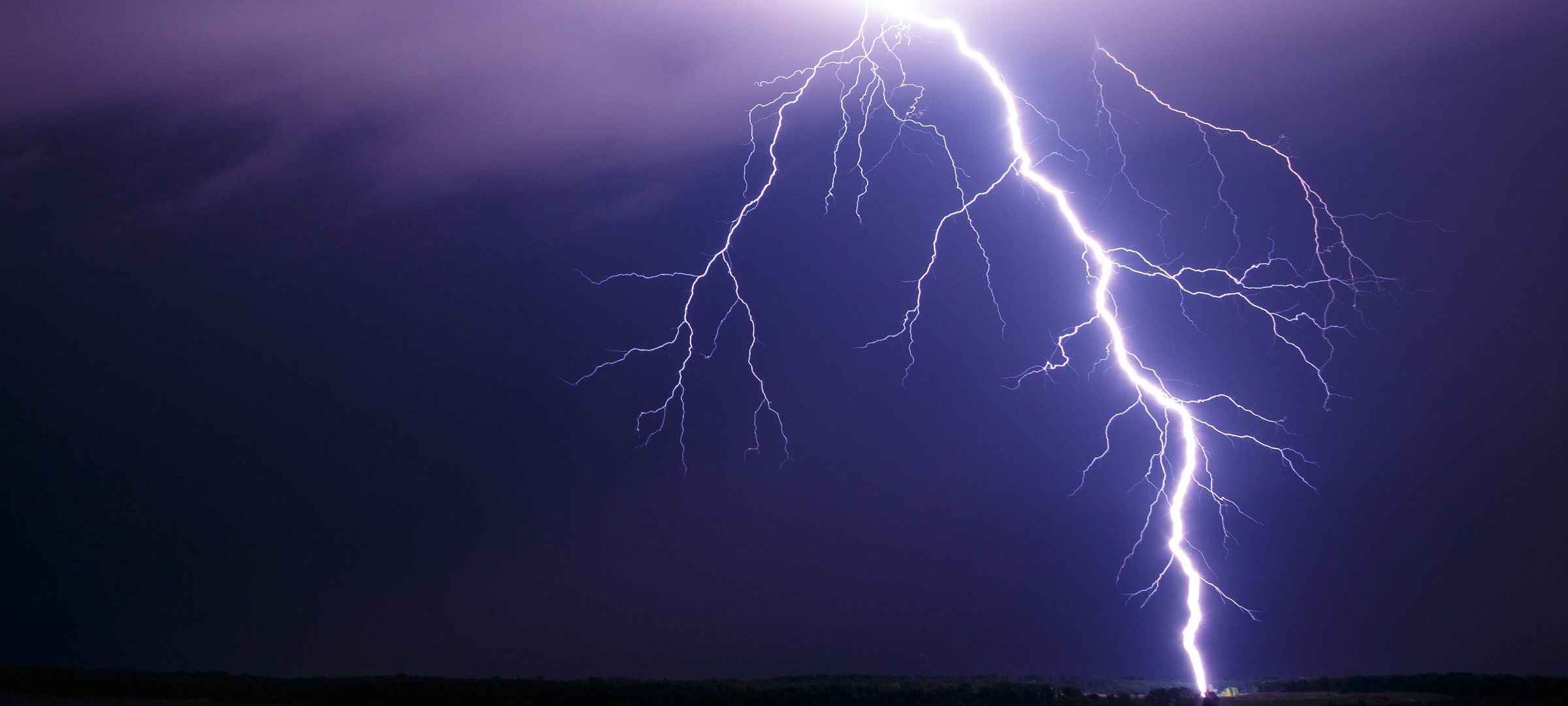
When a thunderstorm rages and lightning strikes, the aftermath can leave property owners grappling with the task of proving that damage incurred was indeed from a lightning strike. Successfully making a lightning damage insurance claim involves meticulous documentation and a clear understanding of the evidence required to support your case. Most property policies cover lightning, but many treat damage from a lightning strike differently from an ordinary power surge, so showing that lightning was the cause can decide the claim. In this post, we walk through the essential steps for proving to your insurance company that damage came from a lightning strike.
Document the Incident
The foundation of any successful lightning damage insurance claim lies in documenting the incident thoroughly. When a lightning strike occurs, take immediate action to capture the aftermath. Photograph any visible damage to your property, paying close attention to areas that may have been directly impacted, such as the roof, electrical systems, and any electronic devices.
Observe Physical Evidence
Inspect your property for physical evidence that can be linked to a lightning strike. Lightning may leave distinct marks such as burn patterns, scorch marks, or damaged electrical appliances. Look for these signs in areas where the strike could have occurred. Additionally, check for evidence like shattered tree bark, which can indicate a lightning strike on a nearby tree.
Examine Electronic Devices
Lightning can cause extensive damage to electronic devices by surging through power, cable and phone lines. If your electronic devices, such as computers, televisions, or appliances, are malfunctioning or exhibit signs of damage, document these issues. Provide a detailed list of affected devices, with model numbers and approximate purchase dates, as part of your lightning damage insurance claim. Keep the damaged devices rather than throwing them away: the insurance company may want to inspect them, and a repair technician's written finding that a device failed from a surge is useful evidence.
Seek Professional Inspection
Engage the services of professionals, such as electricians or structural engineers, to conduct a thorough inspection of your property. These experts can identify specific damage patterns, such as burn marks on electrical panels or structural damage caused by lightning strikes. Their assessments serve as valuable evidence when substantiating your lightning damage claims.
Weather Reports and Witness Statements
Gather weather reports for the date and time of the lightning strike. Having meteorological data that confirms a thunderstorm with lightning near your property strengthens your case; some weather data providers can produce a report of the lightning strikes recorded near a specific address on a specific day. Additionally, if there were witnesses to the lightning strike, obtain their statements describing what they observed. Witness accounts can corroborate your claim and provide additional support.
Electrical System Analysis
Given that lightning often causes damage to electrical systems, engaging an electrician to analyze your wiring, circuits, and appliances is crucial. The electrician's assessment can pinpoint electrical issues indicative of a lightning strike, such as burnt outlets, fused appliances, or damaged circuit breakers.
Insurance Claim Submission
When submitting your lightning damage insurance claim, provide a comprehensive report outlining the incident, supported by all the evidence gathered. Include photographs, professional assessments, weather reports, and witness statements to present a well-documented case. Clearly specify the items or areas affected by the lightning strike and the corresponding damage.
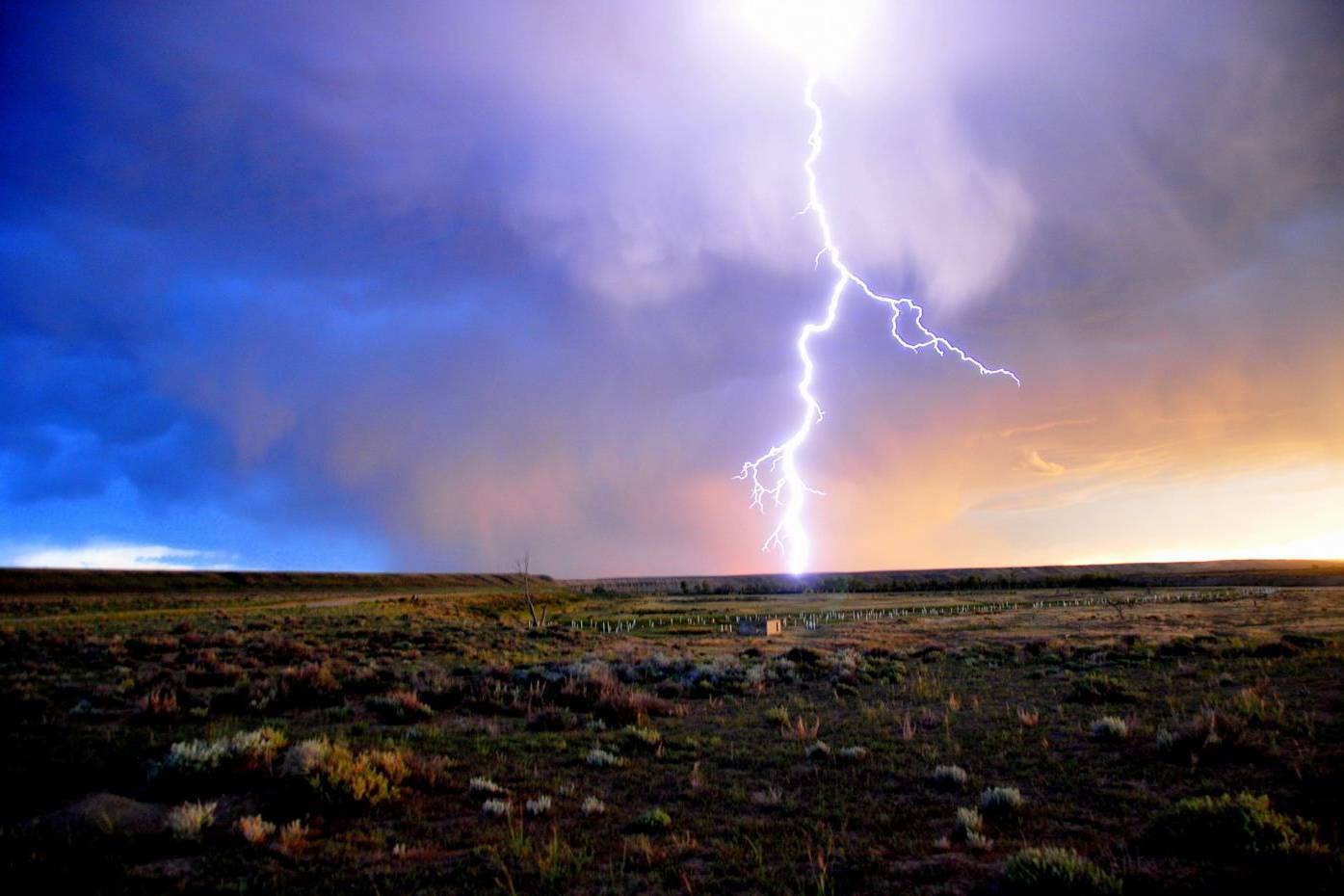
Clear Communication with the Insurance Company
Maintain open and clear communication with your insurance company throughout the claims process. Be ready to provide additional information or answer any questions they may have. Promptly respond to requests for documentation or clarification, ensuring a smooth and efficient claims process.
Conclusion
Proving to insurance that damage is from a lightning strike requires a systematic approach involving thorough documentation, professional assessments, and collaboration with experts. By presenting a comprehensive case supported by photographs, witness statements, weather reports, and professional evaluations, you enhance the likelihood of a successful lightning damage insurance claim. If your insurance company still disputes that lightning caused the damage, or pays less than the repairs will cost, a licensed public adjuster can review the evidence and present the claim for you. Melo Property Claims handles lightning and storm claims in the states where we are licensed.


