

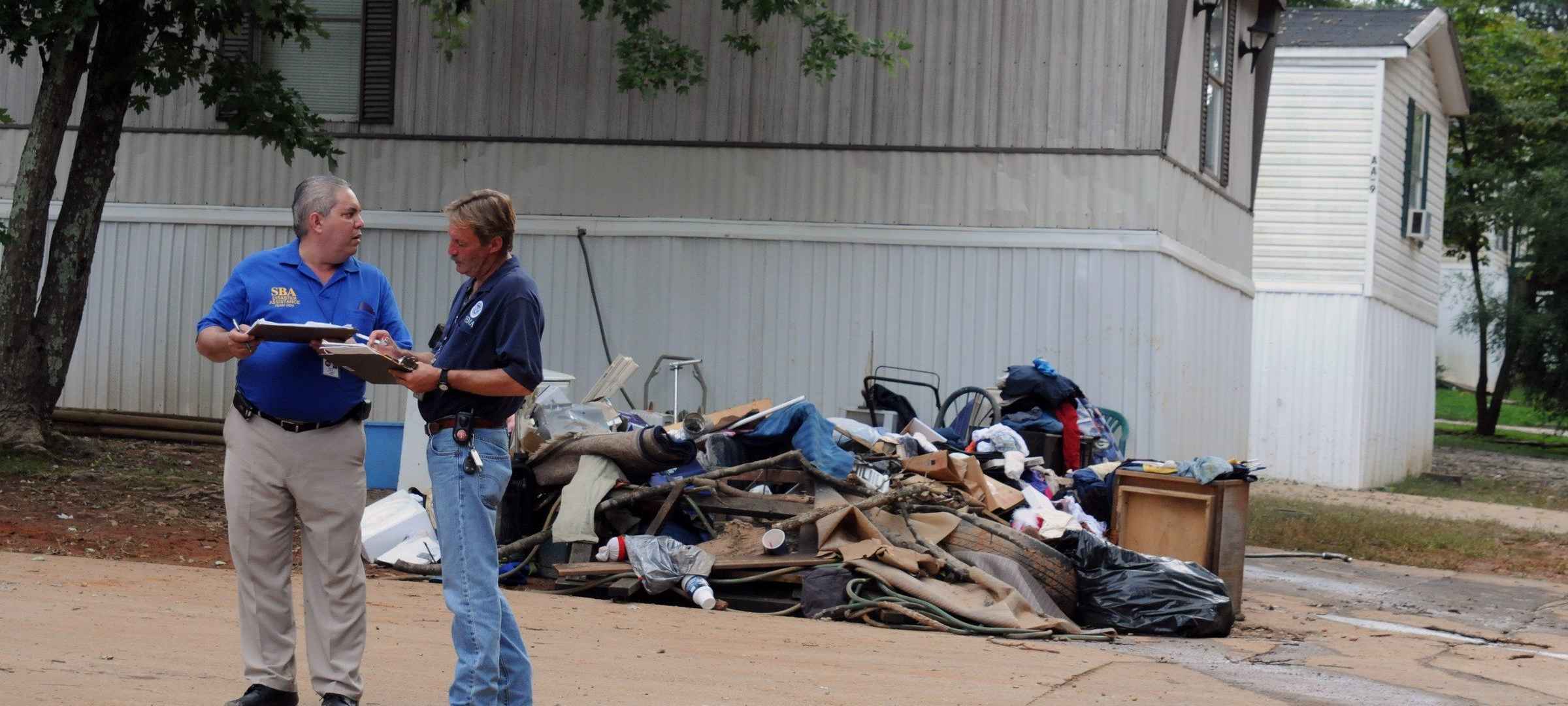
Property damage can be a distressing experience, and when it happens, understanding the ins and outs of property claim services becomes crucial. Whether it's due to natural disasters, accidents, or other unforeseen circumstances, having a solid grasp of how to file a property damage claim and the entire process involved can make a significant difference in your recovery. In this guide, we'll walk through how to file a property damage claim, how to claim damaged personal belongings, and how to write an insurance claim letter for damaged property.
Understanding Property Claim Services
Property claim services are designed to assist individuals in recovering from losses related to property damage. This can include damage to homes, businesses, or personal belongings. When faced with such situations, the first step is to contact your insurance provider and initiate the claims process. It's essential to be prompt in reporting the damage: most policies require prompt notice of a loss, and a late report gives the insurer a reason to question the claim.
It also helps to know who is who. The adjuster your insurance company assigns, whether on its staff or an independent adjuster it hires, works for the insurer. A public adjuster is licensed to work for you, the policyholder, preparing and negotiating the claim on your behalf. Licensing rules and fee limits for public adjusters vary by state.
How to File a Property Damage Claim
Contact Your Insurance Provider
Begin by reaching out to your insurance company as soon as possible. Most insurers have dedicated hotlines or online platforms for filing claims. Provide detailed information about the incident, including the date, time, and cause of the damage, and write down your claim number and the name of the adjuster assigned to you. Ask for a complete copy of your policy, including the declarations page and endorsements.
In the meantime, take reasonable steps to prevent further damage, such as covering a damaged roof or shutting off water to a broken pipe. Your policy requires it, and the cost of those emergency repairs is usually part of the claim, so keep the receipts.
Document the Damage
Take photographs and videos of the damaged property before anything is cleaned up or thrown away. This visual evidence will be crucial during the assessment process. Additionally, it helps to create a detailed list of damaged items, including their estimated value. Keep damaged items until the insurer has seen them or agreed in writing that you can dispose of them.
Obtain Estimates for Repairs
If possible, obtain quotes from reputable contractors for the cost of repairs. This information can be useful during the claim evaluation process.
Fill Out the Necessary Forms
Your insurance provider will provide you with claim forms that need to be filled out accurately. Many insurers also ask for a sworn proof of loss, a signed statement of what you are claiming, and your policy sets a deadline for returning it. Double-check all information before submission to avoid delays in processing, and keep a copy of everything you send.
Personal Property Claim Guide
When it comes to personal property damage, such as furniture, electronics, or other belongings, follow these additional steps:
Compile an Inventory
Create a detailed inventory of damaged personal items. Include descriptions, purchase dates, and estimated replacement costs. This inventory will serve as a valuable reference during the claims process.
Provide Proof of Ownership
Gather receipts, photographs, or any other documentation that proves ownership and the value of your personal belongings. This helps in expediting the settlement of your personal property claim.
Insurance Claim Letter for Damaged Property
Drafting a clear and concise insurance claim letter can significantly impact the outcome of your property damage claim. Include the following elements in your letter:
Detailed Incident Description
Clearly explain how the property damage occurred, including the date, time, and any relevant circumstances.
List of Damaged Items
Provide a comprehensive list of damaged items along with their estimated value and any supporting documentation.
Request for Prompt Assessment
Politely request that the insurance company promptly assess the damage to expedite the claims process. Send the letter in a way you can prove, such as email or certified mail, and keep a copy with the rest of your claim records.
Navigating the complexities of property claim services requires a proactive approach. By understanding how to file a property damage claim, following a personal property claim guide, and crafting an effective insurance claim letter, you can enhance the likelihood of a successful resolution. Remember, communication with your insurance provider is key, and thorough documentation is your ally in the journey towards recovering from property damage. If your claim is large, complicated, delayed or underpaid, a licensed public adjuster can handle it for you; Melo Property Claims works in the states where we are licensed.


