

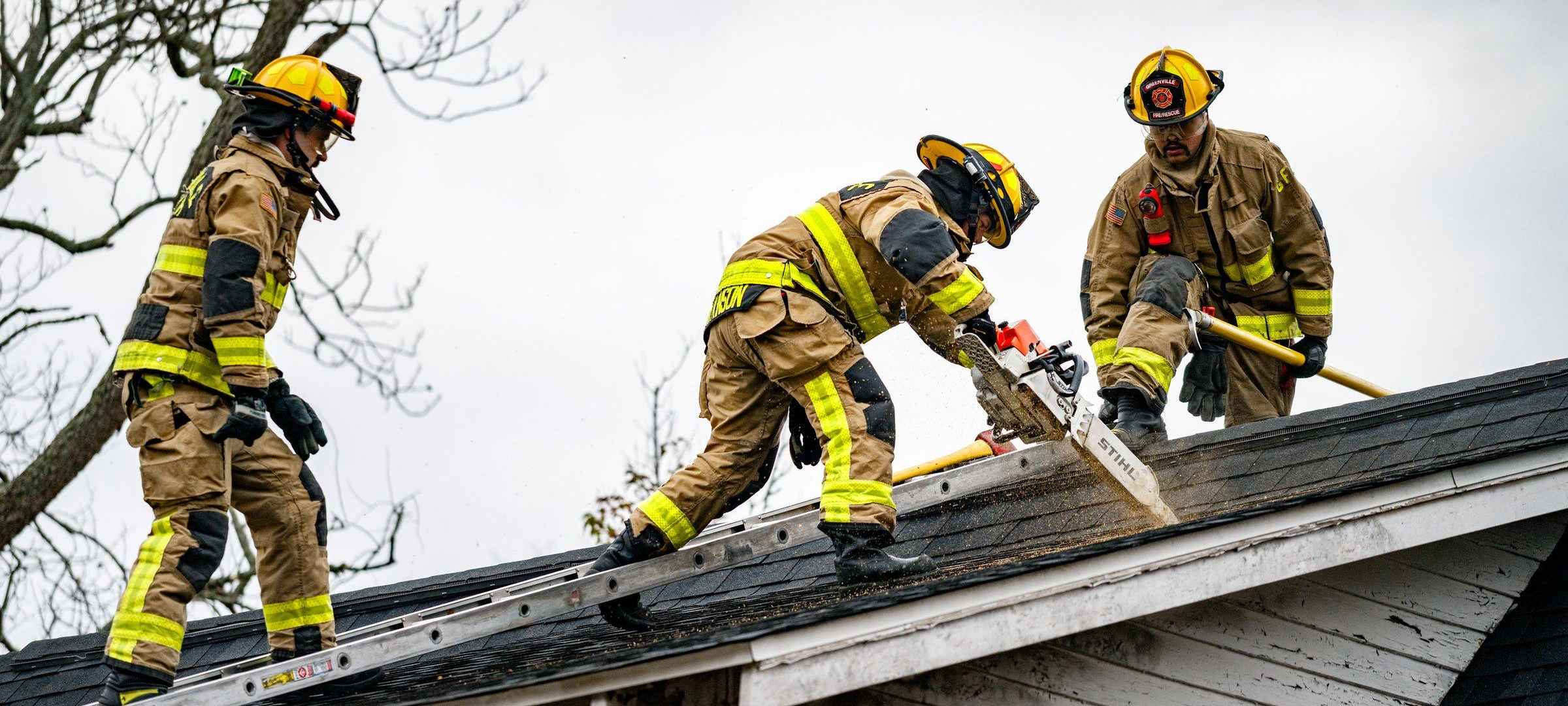
Experiencing smoke damage in your home can be distressing and overwhelming. Whether it's due to a kitchen mishap, a localized fire, or a more widespread incident, knowing how to respond promptly and effectively is crucial to minimizing further damage and ensuring a successful restoration process. This blog provides a comprehensive guide on what to do when your house gets smoke damage, covering immediate actions, mitigation steps, and the process of restoration.
Immediate Actions to Take
Ensure Safety
Safety should always be the first priority. If smoke damage is extensive or if there was a fire, ensure that everyone in the household is safe and evacuate if necessary. Do not re-enter the home until authorities confirm it is safe to do so.
Ventilation
Open all windows and doors to ventilate the affected areas. This helps in dissipating smoke and improving air quality inside the home. Use fans and dehumidifiers to aid in the ventilation process.
Limit Movement
Minimize movement in the home to prevent soot particles from being embedded into upholstery and carpets. Keep hands clean to avoid further soiling of walls, upholstery, and woodwork.
Mitigation Steps
Protect Yourself
Wear personal protective equipment such as gloves, a well-fitted N95 respirator, and goggles when inspecting or cleaning up smoke-damaged areas. Soot and smoke residue can be harmful if inhaled or if they come into contact with skin.
Assess Damage
Evaluate the extent of smoke damage throughout the house. Document areas affected by smoke, including walls, ceilings, furniture, appliances, and personal belongings. Take photographs or videos for insurance purposes before anything is cleaned, and don’t throw away damaged belongings until your insurer has seen them or agreed in writing that you can.
Contact Your Insurance Company
Notify your insurance company about the smoke damage as soon as possible. Review your insurance policy to understand coverage limits and exclusions related to smoke damage and fire incidents. Document communications with your insurance company, including claim numbers and adjuster contacts. If the smoke makes your home unlivable while it is cleaned, ask about additional living expenses coverage, which many policies include for the added cost of staying elsewhere.
Professional Assessment
Consider hiring smoke damage restoration professionals. They have the expertise, equipment, and experience to thoroughly clean and restore your home. They can assess the damage, provide a detailed restoration plan, and ensure that all safety and health guidelines are followed during the cleanup process.
Restoration Process
Cleaning Surfaces
Professionals will use specialized techniques to clean surfaces affected by smoke damage. This may include using HEPA vacuums to remove soot, dry cleaning methods for upholstery and fabrics, and scrubbing walls and ceilings with appropriate cleaning agents.
Deodorization
Smoke odors can linger even after visible damage is cleaned. Professionals use air scrubbers, ozone generators, or thermal fogging equipment to neutralize odors and improve indoor air quality. Ozone is harmful to breathe, so people and pets should stay out of the house while an ozone generator runs and until it has aired out.
Restoration of Personal Belongings
Depending on the severity of the damage, some personal belongings may be salvageable. Professionals will assess and clean items such as clothing, furniture, and electronics using specialized restoration techniques.
Structural Repairs
If smoke damage has compromised structural components of your home, contractors may need to perform repairs. This could involve replacing drywall, repainting walls, refinishing woodwork, or repairing electrical and HVAC systems.
After Restoration
Air Quality Testing
Consider conducting air quality testing after restoration to ensure that all smoke particles and contaminants have been effectively removed. This is especially important for households with individuals who have respiratory conditions or allergies.
Review Insurance Coverage
Review the insurance settlement and ensure that all eligible expenses related to smoke damage restoration are covered. Keep records of all expenses incurred during the cleanup and restoration process for reimbursement. If the settlement leaves out damage or doesn’t cover the cost of restoration, you don’t have to accept it: a licensed public adjuster can review it, and Melo Property Claims works in the states where we are licensed.
Prevent Future Incidents
Take steps to prevent future smoke damage incidents. Install smoke detectors on every level of your home and test them regularly. Practice fire safety measures in the kitchen and other high-risk areas, such as using cooking appliances responsibly and safely.
Conclusion
Dealing with smoke damage in your home requires swift action, thorough assessment, and professional restoration to ensure a safe and effective recovery process. By following the steps outlined in this guide—prioritizing safety, contacting your insurance company, hiring professionals, and overseeing the restoration process—you can minimize the impact of smoke damage and restore your home to its pre-damaged condition efficiently. Remember, seeking help from experienced professionals ensures thorough cleanup and restoration, allowing you to focus on returning your home to a safe and comfortable living environment.


