

If you’ve suffered a major property loss, someone might suggest you hire an insurance adjuster rather than simply accepting a settlement offer from your insurance company. For someone who has never worked with a public adjuster, you might wonder what they do and if they’re worth the cost!
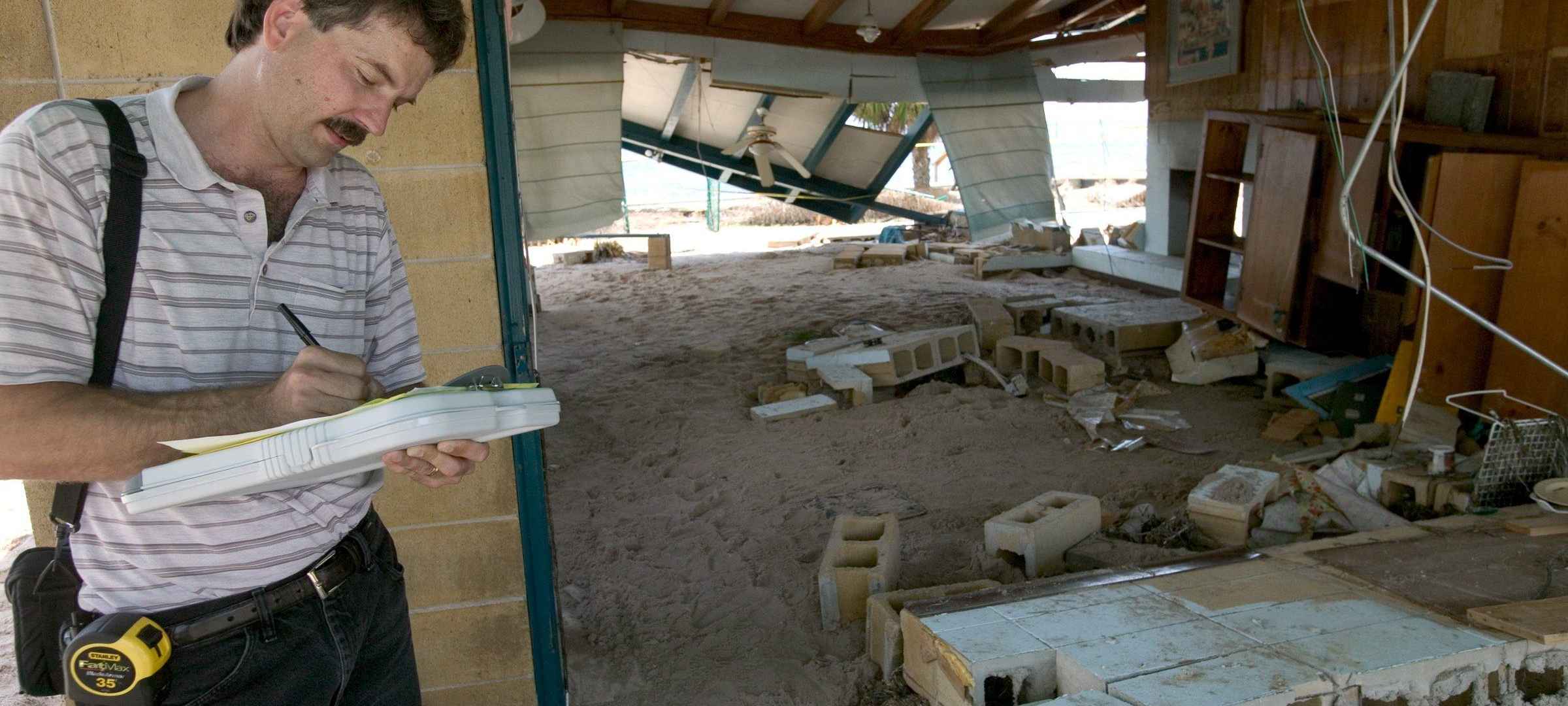
An insurance adjuster investigates a claim and puts a value on it. The adjuster your insurance company sends works for the insurer. A public adjuster is a licensed adjuster you hire, who inspects the damage, prices it, and negotiates the settlement with the insurer on your behalf.
While a public adjuster might not be needed for every property damage claim, they can be valuable for large, complex or disputed losses. While it’s hoped that no one goes through such an event, it’s also helpful to know more about what an insurance adjuster does so you know when to hire one!
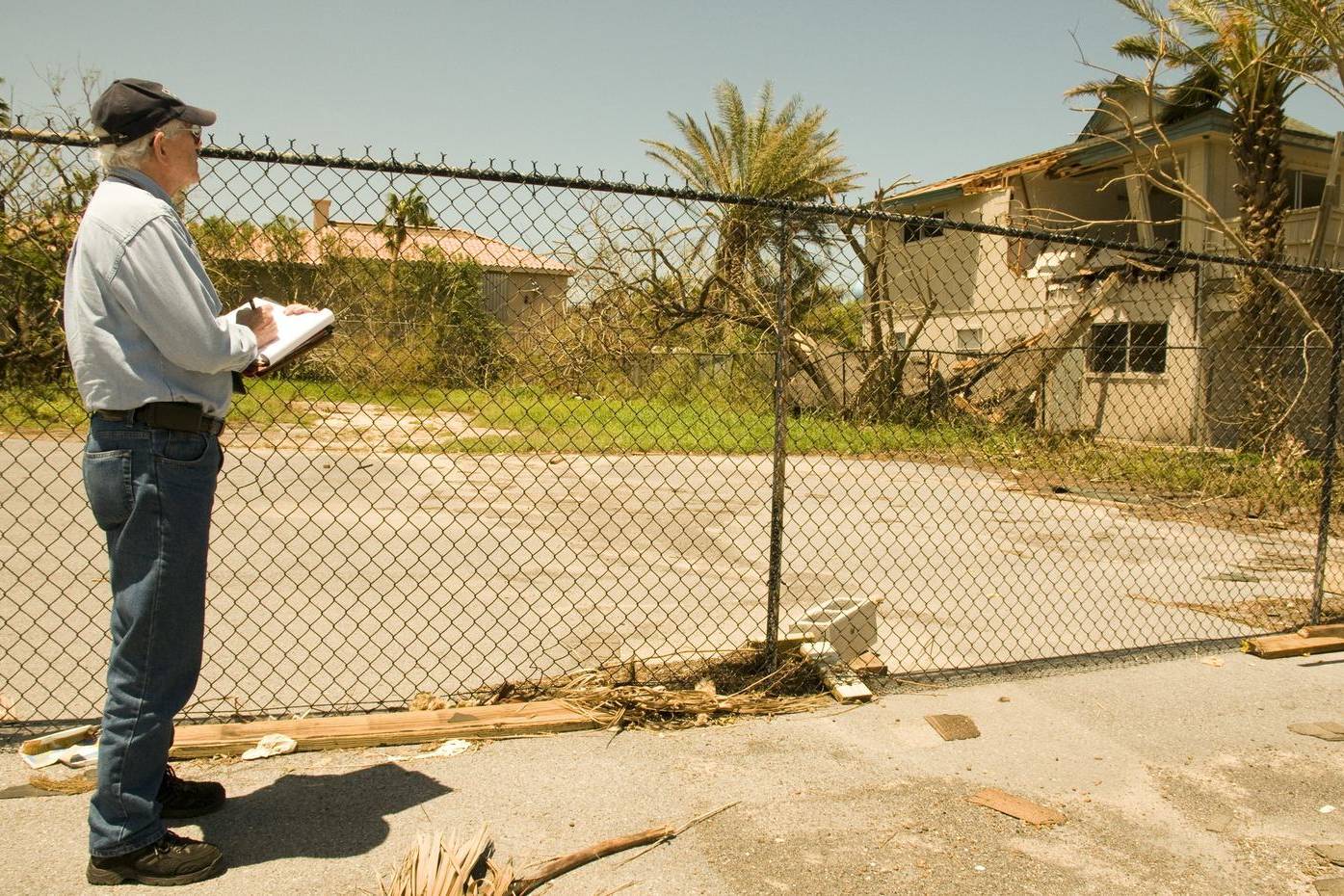
You might also consider some additional tips on what to do if your property suffers storm damage, vandalism, or a fire, or if you’ve had valuable property stolen. These tips will help you protect your claim and reduce stress throughout the cleanup, restoration, and insurance claims process.
What Does an Insurance Adjuster Do?
There are three kinds of property claim adjusters. Staff adjusters are employees of the insurance company. Independent adjusters are contractors the insurer hires, often after a large storm. Both work for the insurer. A public adjuster works for you, not for the insurance company or anyone else. Public adjusters are usually paid a percentage of the settlement, so their fee rises with what they recover for you. Here is what a public adjuster does on a property claim:
- Inspects the damage to the building and its contents, photographs and measures it, and looks for damage that is easy to miss, such as smoke in the ductwork or water inside walls.
- Writes a detailed, line-item estimate of the cost to repair or replace the damage, using local building costs, and reviews contractors’ bids and quotes.
- Helps you build the inventory of damaged personal property and the record of extra costs, such as a hotel or meals while the home is unlivable (additional living expenses).
- For a business, documents lost income and extra expenses while the property can't be used, where the policy covers them.
- Reviews your policy so the claim includes everything it covers, and explains the limits, deductibles and exclusions that apply.
- If you have not yet filed a claim, helps you file it, fill out the paperwork, and gather the supporting documentation.
- If you’ve been offered a settlement, reviews the insurer’s estimate line by line; if it falls short, negotiates with the insurer for the difference, and can take part in the policy’s appraisal process if it comes to that.
What an Insurance Adjuster Does Not Do
Unless a claims adjuster also has a law license, note that he or she cannot give legal advice or represent you in court! In some cases, there might be question over what is called an issue of coverage, meaning whether or not an insurance policy covers certain losses or damages in the first place.
When an issue of coverage can't be resolved with the insurer, a legal claim might need to be filed, and a court then decides whether the policy covers that damage or loss. If the court decides the loss is not covered, there is little or nothing the claims adjuster can do at that point.
A public adjuster also doesn’t do the repairs. They document and price the damage; the cleanup and rebuilding are done by restoration companies and contractors you choose. It’s also not their job to sell you insurance or recommend policies. Speak with a licensed insurance agent if you want to know the best coverage for protecting your home, business, and other property.
Are Insurance Adjusters Worth the Cost?
First note that a public adjuster typically works for a percentage of your settlement, so there is usually nothing to pay up front. What they may charge, and whether there is a cap, is set state by state; see what a public adjuster charges. Because they receive a portion of your settlement, it’s in their interest to negotiate as skillfully as possible on your behalf.
When considering if the cost of a public adjuster is worth it, remember that the insurer’s adjuster works for the insurance company. That doesn’t mean every insurer will try to “lowball” your claim, but its estimate is only as complete as its inspection, and nobody on the insurer’s side is responsible for finding what it missed. Many policyholders take the first offer they receive simply because they want the payment quickly and don’t know the real value of their claim. The fee is worth paying when the difference a public adjuster recovers is larger than the fee, which is most likely on large, complex or disputed claims.
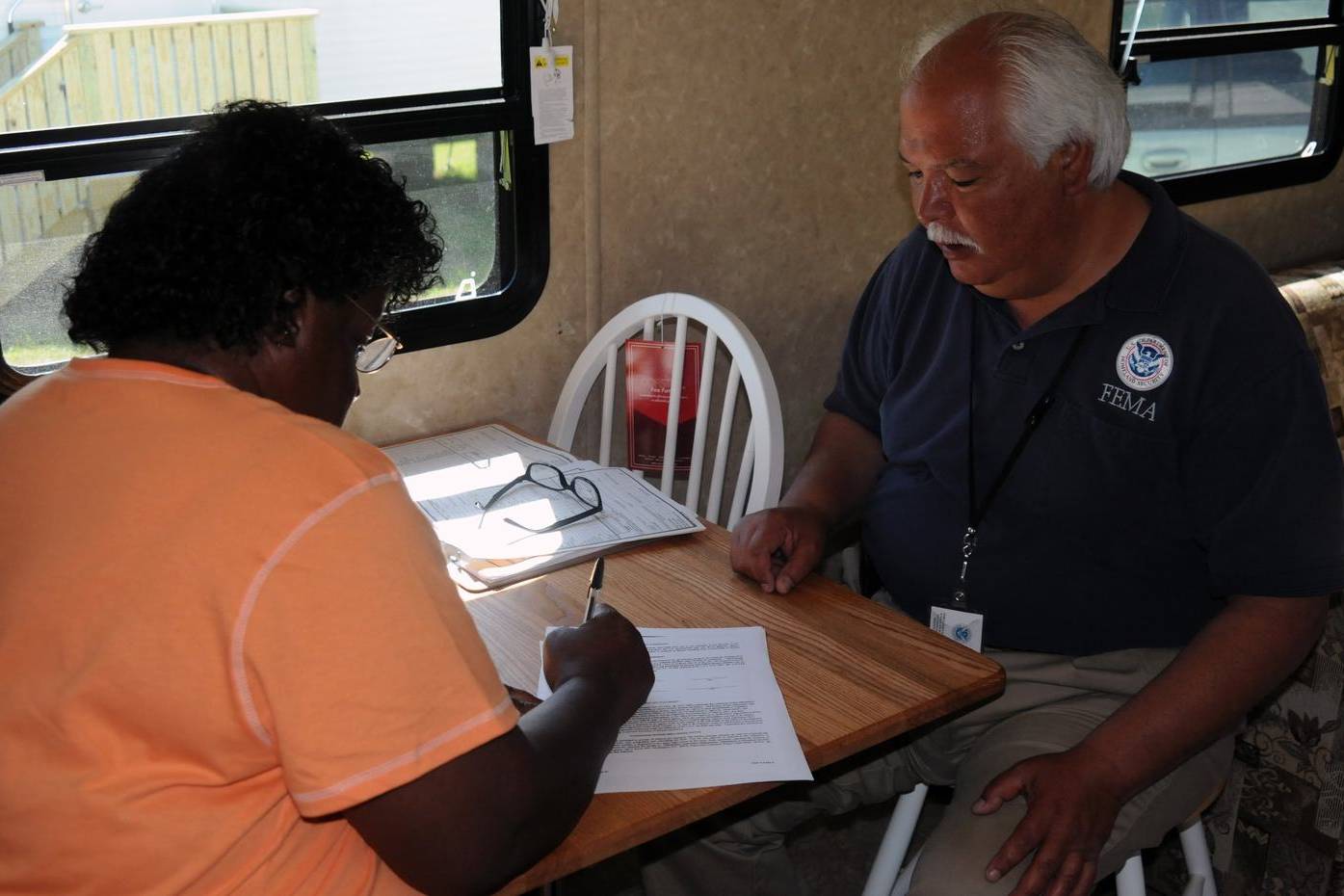
An insurance adjuster cost is also worth the amount of stress and hassle they typically save policyholders. Trying to file an insurance claim and negotiate with an insurer is difficult enough under any circumstances; after severe property damage, those circumstances only add to your stress! Relying on a public adjuster to prepare your claim and negotiate with the insurer can free you up to concentrate on your family, your business and restoring your property. For many owners, that alone makes the cost worth it.
What to Do When You’ve Suffered Storm Damage or Other Property Loss
If you’ve suffered storm damage, a fire or flood, vandalism, theft, or other losses, your health and safety are of first concern! Never approach a damaged area of your home without ensuring there is no risk of electrical shock or other injuries, and never stand under or anywhere near a collapsed roof, crumbling walls, cracked windows, and the like.
Once you are safe, your first step should be to notify your insurance company; delays in notification can sometimes be used to deny claims! Even a quick call to the claims line describing the incident puts your report on record. Flood damage is reported to your flood insurer, since homeowners policies don’t cover flooding.
It’s also vital that a property owner document damages and losses as much as possible. Take as many pictures as you can of all your damaged property; this includes items inside a home affected by a flood or fire, trees that have been downed by a storm, and the like. If your commercial building has been vandalized, check for damage to fences and other points of entry, alarms, cameras, and so on, and ensure you document that as well!
While you might be eager to get your life back to normal, use caution about trying to restore or repair damage yourself before the insurance adjuster arrives. Do what is needed to prevent further damage, such as tarping a roof or extracting water, and keep the receipts, but leave the rest so the damage can be documented and evaluated properly.
Note, too, that repairing and restoring property is often more difficult and even downright dangerous than you might realize. A sagging roof might collapse without warning, soot and ash from a fire might become airborne and present health hazards, and floodwaters bring hazardous contaminants with them. Save your storm damage, fire repairs, water removal, and other cleanup efforts for a professional restoration company instead.
Related Questions
Can an insurance adjuster get you a faster payout?
Not necessarily. A public adjuster’s job is to get the claim right, which takes time to research your policy and document the damage properly. However, relying on a public adjuster to file your claim can help ensure you don’t overlook needed documentation, that you file the claim with the right office, and so on, which avoids some common delays.
Will a claims adjuster always get you a higher payout?
No. A public adjuster knows how to prepare and negotiate claims, so details and costs are less likely to be overlooked, but nobody can guarantee what an insurer will pay, and an ethical adjuster won’t promise a number. If the insurer’s offer is already fair, a public adjuster may tell you so. Public adjusters must be licensed in the state where the property is, so check the license with your state’s insurance department. Melo Property Claims works for homeowners and businesses in the states we serve.


