

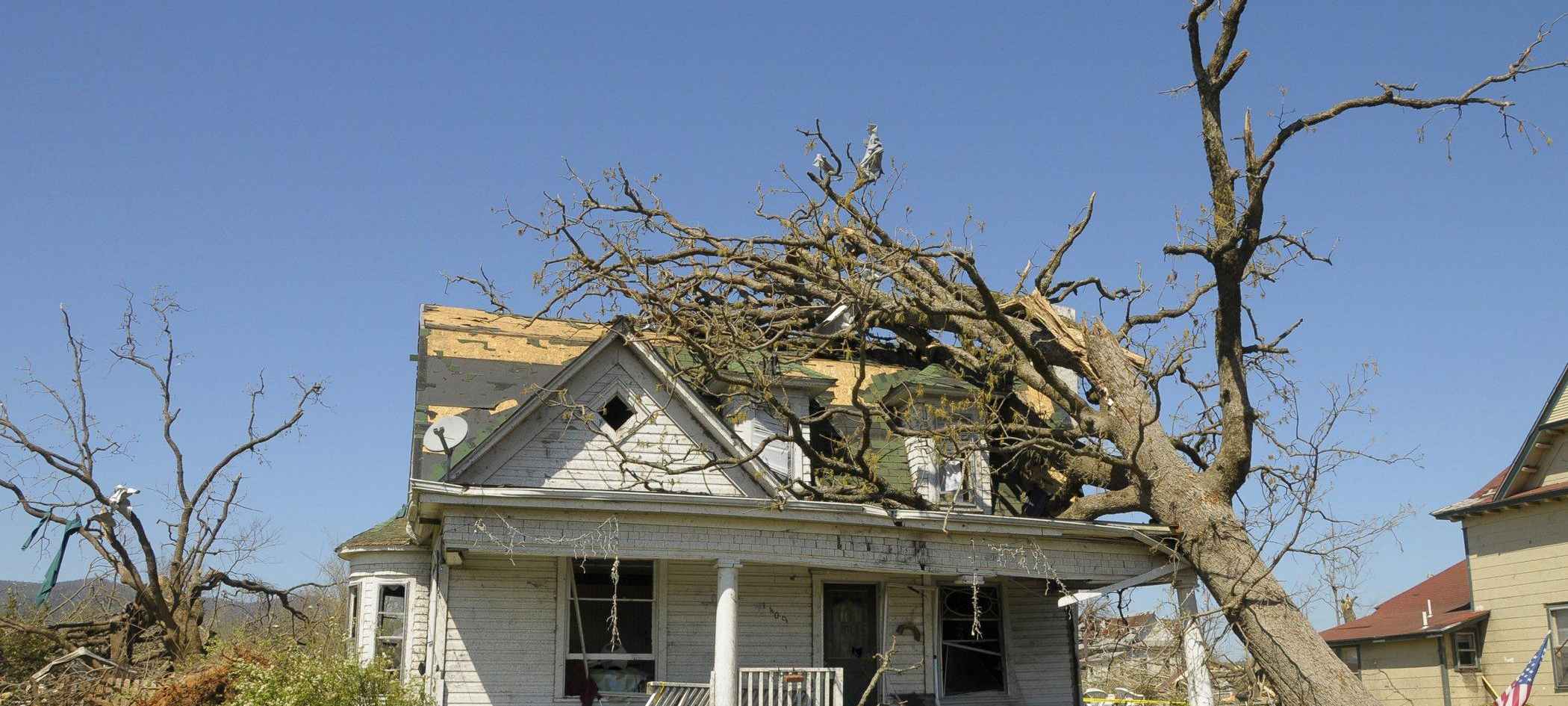
Roof damage caused by storms, whether from fierce winds, hail, or falling trees, is a common concern for homeowners. Fortunately, homeowners policies usually cover sudden wind and hail damage. In this blog post, we'll guide you through the steps on how to successfully file storm damage insurance claims for your roof, including hail claims, and what to check before the insurer's number becomes final.
Understanding Storm Damage Insurance Claims
When your roof bears the brunt of a storm, filing an insurance claim can be a crucial step in facilitating repairs. Storm damage insurance claims typically cover a range of issues, including wind damage, hail damage, and rain that gets inside through an opening the wind or hail created. A few points to check in your policy:
- The deductible. In some states and areas, policies carry a separate wind, hail or hurricane deductible, often a percentage of the dwelling coverage rather than a flat amount.
- How the roof is valued. Some policies pay older roofs on an actual cash value basis, or on a schedule that shrinks with the roof's age, rather than at replacement cost.
- Flooding. Rising water and storm surge are not covered by a homeowners policy; they need a separate flood policy.
- Wear and tear. Damage the insurer can attribute to age or poor maintenance rather than the storm is excluded, which is why dated photos matter.
Documenting Storm Damage
The first and most crucial step in the process is to document the storm damage thoroughly. Take clear and detailed photographs of the affected areas, highlighting any visible signs of damage. This documentation serves as crucial evidence when you file your insurance claim.
Prompt Reporting to Your Insurance Company
In the aftermath of a storm, time is of the essence. Policies require prompt notice of a loss, and some policies and states set specific deadlines for wind and hail claims, so check yours rather than assuming you have plenty of time. Contact your insurance company promptly to initiate the claims process. Provide them with all relevant information, including the date and time of the storm, a description of the damage, and your policy details.
Hail Storm Insurance Claims
Hail storms can be particularly damaging to roofs, causing dents, cracks, and compromising the structural integrity of shingles. When filing hail storm insurance claims, emphasize the impact on your roof. Share photographs of hail-damaged areas, including any visible dents or bruises on the roofing material.
Roof Inspection by Insurance Adjuster
Once you've reported the storm damage, your insurance company will typically send an adjuster to inspect the roof. The adjuster will assess the extent of the damage and determine the cost of repairs or replacement. It's essential to be present during this inspection to ensure that all damages are thoroughly evaluated.
Estimates for Repairs
After the inspection, your insurance company will provide you with estimates for the repairs needed. It's advisable to obtain additional estimates from reputable roofing contractors to ensure that the proposed costs align with market rates. Compare them line by line: insurer estimates often differ on whether damaged slopes can be repaired or must be replaced, on matching materials, and on code-required upgrades, which may need ordinance or law coverage.
Navigating the Claims Process
The claims process can be complex, but maintaining open communication with your insurance company is key. Be proactive in providing any requested documentation promptly and follow up on the progress of your claim. If there are delays or issues, don't hesitate to reach out to your insurance representative for clarification. If the insurer's estimate still falls short, a licensed public adjuster can inspect the roof, write a full estimate and negotiate for you. Public adjusters are licensed by each state and the rules vary, so check with your state's insurance department; Melo Property Claims works across the states we serve.
Hail Damage Roof Repair
If your roofing insurance claim is approved, the next step is to proceed with hail damage roof repair. Choose a reputable roofing contractor experienced in storm damage repairs. Share the insurance estimates and any additional quotes you've obtained to ensure clarity on the scope and cost of the repairs.
Finalizing Your Roofing Insurance Claims
Upon completion of the repairs, your insurance company will finalize your roofing insurance claim. If your policy pays replacement cost, the insurer may hold back recoverable depreciation until you show the work is done, so send the final invoice promptly and within the policy's time limit. Ensure that all the work has been done to your satisfaction before signing off on the claim. Keep records of the repairs, invoices, and any warranties provided by the roofing contractor.
Conclusion
Filing roofing insurance claims for storm damage may initially seem daunting, but with careful documentation, prompt reporting, and collaboration with your insurance company, the process can be navigated successfully. Whether it's wind damage, hail damage, or rain getting in through an opening the storm made, knowing how to approach the claims process ensures that your roof can be restored to its pre-storm condition, providing you with peace of mind and protection for your home.


