

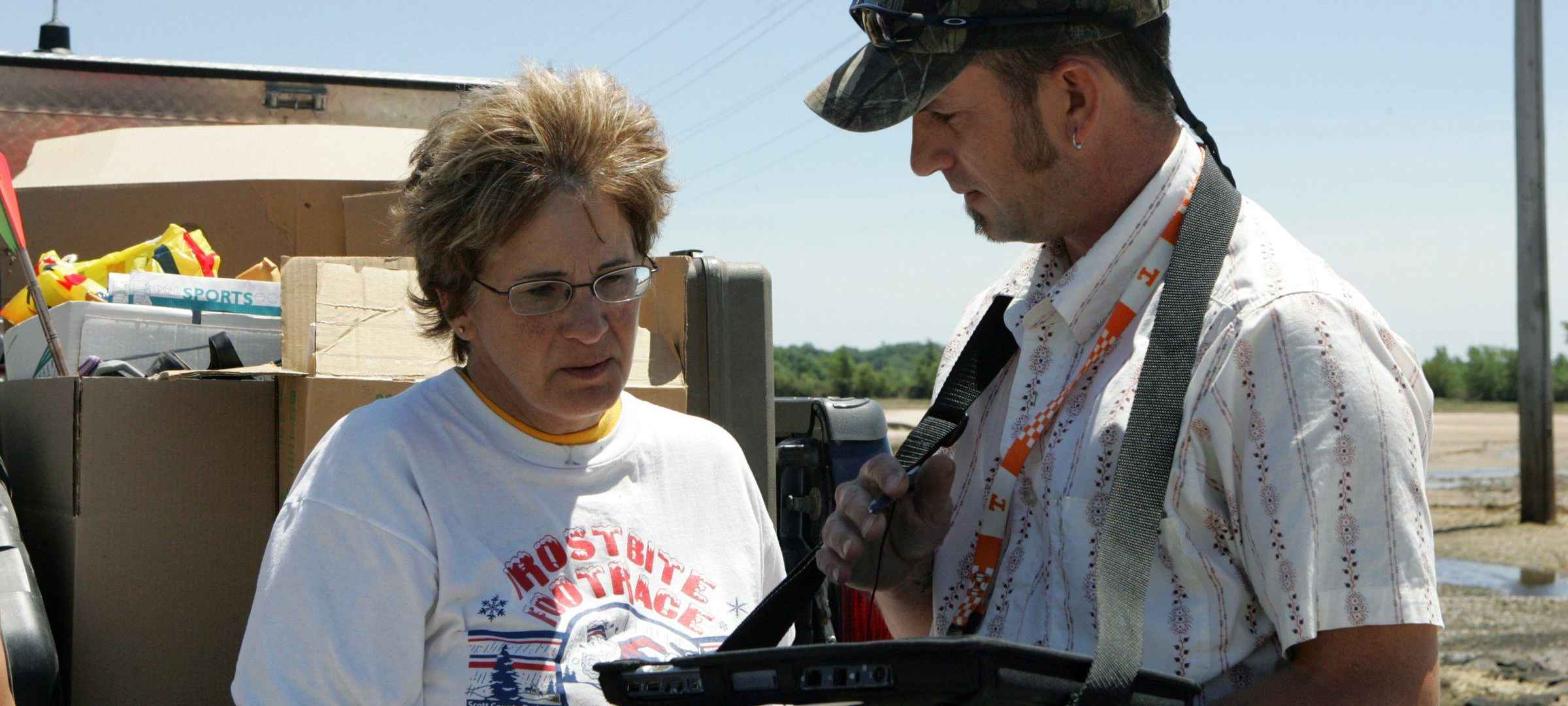
Understanding what happens when you have an insurance claim is essential in making sure that you are treated right by the insurance company and that you receive all the compensation that is due under the terms of your insurance policy. It is your job to protect your interests. Employing a public adjuster is one of the ways that you can be sure that your loss is properly compensated by the insurance company.
What is a public adjuster? A public adjuster is a trained professional claims handler who:
- Works to protect the interests of the client.
- Appraises the loss suffered by the client.
- Manages the claim and the claims process.
- Negotiates with the insurer for the claim settlement.
It is important to have someone trained in the process of claim appraisal, negotiation, and settlement to represent you in this process. Many homeowners may only file an insurance claim once or twice in their life. Understanding the ins and outs of dealing with insurance companies is out of the experience of most homeowners, and a public adjuster in your camp can make a real difference to the outcome. Public adjusters are licensed by each state, so the one you hire must be licensed where the property is; Melo Property Claims works in the states we serve.

Understanding Your Insurance
Most homeowners carry insurance on their homes to protect against various types of losses that can occur. It is important to have a basic understanding of what insurance is to understand what is involved in filing a claim and how a claim adjuster fits into that process.
An insurance policy is nothing more than a contract between you and the insurance company. A contract requires two parts.
- An agreement between all the parties to the contract
- An exchange of value for something else of value
In the case of an insurance policy, the agreement is between you and the insurance company. The insurance company agrees to insure your property against damage and loss, and you agree to pay the policy premiums. That constitutes the agreement and the exchange of value.
When you suffer a covered loss, in return for you paying your insurance premiums on time as agreed, the insurance company is required to pay what the policy promises, up to its limits, for the repair or replacement of your loss.
Claims adjusters are trained to place a value on such losses. There are many variables that go into assessing a loss and assigning a value to that loss. It is this gray area in assessed value and recoverable costs that can become the issues of contention in an insurance claim.
Reading Your Policy
Start with the page of your policy, commonly called the “declarations page.” This sheet in the policy is usually divided into different coverage categories such as:
- Dwelling which is often labeled Coverage A
- Other Structures which can carry the label Coverage B
- Personal Property, Coverage C
- Loss of Use or Additional Living Expenses often listed as Coverage D
- And some other categories covering liabilities and medical payments
- If you have valuable collections or lots of expensive jewelry, you may have an endorsement, which are additions to the policy for these extra coverages.
It is in your best interest to understand the figures that are listed in each of the categories. These are the amounts that the insurance company has agreed contractually to pay if you suffer a catastrophic loss to your property.
Coverage may be for replacement cost or for actual cash value, which is replacement cost minus depreciation. This is an important consideration, and you should understand how the insurance company will value your property in the event of a loss. With replacement cost coverage, the insurer often pays the depreciated amount first and the recoverable depreciation once repairs are done.
If you are having trouble understanding your insurance policy or the coverage that it extends to you and your property, most states have officials that oversee the insurance industry. Many of the state agencies offer assistance in understanding your current insurance policy and coverages. The Insurance Information Institute has a list of every state's Department of Insurance.
Independent Adjusters/Insurance Adjusters
It is important to understand the difference in the way claims adjusters are categorized. Not all adjusters are the same. The way they are defined is important to homeowners due to where the responsibilities of the adjuster lie.
Claims Adjusters
Claims adjusters as a whole are professionals who have been trained to evaluate the damage that has occurred due to some calamity or accident, evaluate the cost to repair or replace the damaged property, and report those findings to the client that they represent. Typically, claims adjusters fall into three categories.
- Public Adjusters
- Independent Adjusters
- Insurance Company Adjusters
There are some subtle differences in these categories. Understanding these differences is vital to any homeowner who must make a claim to their insurance company for a loss. Not all claims adjusters have your best interest at heart. It is your responsibility to protect your own interests.
Insurance Company Adjusters
Most insurance companies have staff or company adjusters who work for the insurance company. They are employees of the insurance company and their responsibility is to protect the interests of the insurance company for whom they work.
This is a crucial distinction. When you file a claim with your insurance company, and the company adjuster comes to examine the damage or loss, they are not there to represent you. The job of the staff adjuster is to evaluate the damage or loss and to file the claim in such a way that it meets the letter of the contract.
There are some important points to remember about staff or company claims adjusters.
- Staff or company claims adjusters work for the insurance company, not you.
- State laws require insurers to handle claims fairly and promptly, but the staff adjuster’s job is to pay what the insurer believes the policy owes, not to find everything that might be owed.
- If you rely on the staff claims adjuster, nobody in the claims process is representing you.
You must remember that an insurance company staff adjuster has a professional responsibility to represent his employer and not you. The staff adjuster’s paycheck comes from the insurance company.
Independent Insurance Adjusters
Closely akin to the company or staff insurance adjuster is the independent adjuster. Don’t let the title fool you. “Independent” means the adjuster is not on the insurer’s payroll; it does not mean they are neutral. Understanding how the system works reveals the reason.
When there are large numbers of claims, such as after a storm or other calamitous event, in which large numbers of homes are damaged or destroyed, insurance companies will hire independent adjusters. Such events can overwhelm the ability of staff adjusters to handle the number of claims being filed almost simultaneously.
These so-called independent adjusters are under contract to the insurance company, which means:
- The independent adjuster is contractually obligated to represent the insurance company
- Payment for all services by the independent adjuster come from the insurance company
- The independent adjuster, while technically not an employee of the insurance company, must abide by the conditions and expectations set forth in the contract with the insurance company.
The key here is to whom the independent adjuster is contractually obligated. It isn’t the homeowner who has filed the claim. The independent adjuster is obligated to represent the insurance company. That is a huge difference in what you can expect from the independent adjuster assigned to your case by the insurance company.
The Public Claims Adjuster
Like the independent claim adjuster, public claims adjusters work for a client. However, you are the client of a public claims adjuster, so you get the kind of help insurance companies get from their staff and independent adjusters. The public adjuster works for you.
Things you should be able to count on if you hire a public adjuster to represent you are:
- The public adjuster you hire works strictly for you. Your adjuster has no connection or contractual responsibility to the insurance company.
- You get a professional who is informed and understands the insurance industry and the claims process.
- You get an advocate who can represent you to the insurance company and negotiate on your behalf.

Why Should I Get a Public Adjuster?
The overriding reason to hire a public adjuster is for your own protection. The insurance claims process can be tedious and complicated. Most people don’t have a reasonable understanding of the insurance policy and the complicated contract provisions that are usually included. Hiring a professionally trained public claims adjuster who knows the processes and the language of the insurance industry is paramount.
A good public adjuster will often know the insurance company that issues your policy and have experience with how it handles claims.
The adjuster's knowledge and experience are what you are really paying for. Trying to manage a complicated or large claim with an insurance company yourself exposes you to making mistakes that could potentially cost you large sums of money not recovered in the claim settlement because you weren't experienced enough to know what to look or ask for in the claims process.
You may find other reasons to hire a public adjuster including:
- Less personal stress during the claim process.
- A settlement based on a complete, line-item estimate of the loss, not just the insurer’s.
- Professional representation in the process.
- Fewer delays from missing paperwork or documentation.
The other great disadvantage you face after a major loss due to a disaster is the total disruption of your normal existence. More than likely, you are displaced in strange surroundings, perhaps even in a strange locale. You have lost much of your life and the comfort of your home and any sort of normalcy you might expect.
Hiring a professional public claims adjuster can relieve at least some of the stress as you try to rebuild your life. Taking advantage of a professional's knowledge and understanding of the whole claims process can allow you to concentrate on other important demands.
Hiring a Public Adjuster
Public adjusters can be hired just like any other professional. Most work on a contingency fee basis; some will work for a flat fee or hourly. What they may charge, and in what form, is regulated state by state. There are advantages and disadvantages to each of these options.
- Hourly - Hiring a public adjuster hourly means that every time the adjuster performs some service related to your case, he will note that time and you will be billed accordingly. Depending on the complexity of your claim and how adversarial your insurance company, the costs can vary. Hourly can get very expensive very quickly and can easily outrun what you expect to receive from the insurance on your claim.
- Flat Fee – In relatively simple and straightforward cases, a public adjuster may take your claims case on a flat fee basis, offering you a figure at the beginning of your relationship to take your case and complete it. The downside to this kind of arrangement can be associated with unexpected complications in the claim. If the claim becomes involved, the adjuster may simply lay it aside rather than incur losses to try and complete the process.
- Contingency – Like many attorneys, most public adjusters work on a contingency basis: a percentage of what the insurance company pays on the claim, so you pay nothing up front. Some states cap the percentage, and some set a lower cap for claims after a declared disaster. Ask whether the percentage applies to the whole settlement or only to what is recovered after you hire the adjuster, and check around to see what other adjusters are charging.
What should I look for in a Public Adjuster?
If you do decide to hire a public adjuster, there are some things you should consider.
- Be Selective – Don’t hire the first adjuster that you talk to. Do your due diligence, including checking reputation and professional qualifications.
- Don’t be taken in by promises – An ethical adjuster will not make boasts or promises about how much money they can get for you.
- Check out the adjuster’s license – Licensing requirements differ from state to state, and a few states don’t license public adjusters at all. The adjuster must be licensed in the state where the property is, and should have no problem showing you that license; you can confirm it with the state’s insurance department.
- Get some references – Find out from others who have used the adjuster's services their feeling about the performance and outcomes of their cases.
- Trust your Own Reaction – After you meet with a public adjuster and talk about your claim, what was your feeling about how he reacted and his comments. Sometimes your first impression is the truest measure of the situation.
Industry associations are good places to get recommendations for professionals. The National Association of Public Insurance Adjusters can help you find an adjuster in your area. Associations usually have a code of ethics their members agree to follow, which offers some assurance about the adjuster you are dealing with.
Whichever public adjuster you decide to hire, you should insist on several things in the agreement.
- Don’t be pressured into signing a contract until you consult your attorney, especially if a large claim settlement may be in the works.
- Make sure the agreement is clear about the scope of the work, the responsibilities, and the fee structure that is involved.
- Insist on frequent and clear communication with the public adjuster. The adjuster should be willing to meet with you at your request, provide copies of all documents or correspondence held with the insurance company, and regularly report the progress of your claim.
Finally, stay involved in your claim. Don’t simply hand it over to the public adjuster and forget it. Keep tabs on the progress. If possible, attend any meetings that occur between the adjuster and the insurance company. Being a presence in the process keeps everyone aware that you have a larger interest in the claim.
What does a Public Adjuster Cost?
Fees charged by public adjusters vary across the United States, and each state sets its own rules; some cap the percentage a public adjuster may charge. Your state’s insurance department can tell you the current rule. There are some common factors that can affect the charges you can expect from a public adjuster:
- Flat rate fees should be negotiated upfront with the adjuster. The adjuster will base a flat fee on his understanding of the claim, the size of the recovery, and the complexity of the case. Few adjusters take flat fee cases on any but the smallest and most clear-cut claims.
- It is uncommon for a public adjuster to work on an hourly rate, and an hourly bill on a long, disputed claim can add up quickly. Ask for an estimate of the total before agreeing.
- Most public adjusters work on a contingency fee basis. The percentage often depends on the size and difficulty of the claim, and it should be written into the contract, within your state’s limits. See what a public adjuster charges for more.
Do I Need a Public Adjuster or an Attorney?
In most instances, a public adjuster is a better choice to work for you at the initial stages of an insurance claim. Public adjusters are in the business of managing and negotiating claims with the insurance industry and know the key issues and problems that can arise. A public adjuster’s contingency fee is often lower than an attorney’s, though that depends on the state and the case.
You should be able to rely on your public adjuster for advice on the need to involve an attorney in the claim. Some instances that may need the involvement of an attorney are:
- The negotiations are stalled.
- You don’t feel that the claim compensation from the insurance company adequately covers your losses.
- The insurance company has failed to meet its contractual obligations under the policy.
Should any of these situations occur, the only recourse may be to hire an attorney and sue the insurance company. Careful consideration must be made because the additional expense and time of an attorney and going to court can reduce the final compensation you receive, sometimes below what the insurance company earlier offered. Before that point, check whether your policy’s appraisal clause or a state mediation program could resolve the dispute.
If I do experience a loss, what should I do?
If you experience a catastrophic loss, there are some things you should and should not do. Whether it is an area-wide disaster such as a hurricane or tornado, or a devastating house fire that leaves you homeless, knowing what to do in the time between your loss and the claim can make a huge difference in what you can expect as a payout from the insurance company.
You should
- Try and recover all your important documents, especially your insurance policy. Your agent or insurer can send a copy if it is lost.
- If your home is unlivable, read the loss of use (additional living expenses) part of your policy. It usually pays the extra cost of a hotel or rental, meals and similar expenses while the home is repaired after a covered loss, and many policies cover a limited period when a civil authority orders you out because of nearby damage. Keep every receipt.
- Don’t accept a claim offer based only on the report of a company or independent adjuster, especially on a large or whole-house claim, until you have checked it against your own contractor’s or adjuster’s estimate.
- Don’t sign a release, or deposit a check marked ‘full and final settlement’, until you understand what you would be giving up.
- Hire your own public adjuster, licensed in your state and familiar with local building costs, to handle your claim.
Disclaimer
Nothing in this article should be construed to be legal advice. This article is for informational and educational purposes only. If you suffer a loss and are looking at an insurance claim, consult with professional advisers before making any decisions.
When the time comes
Hopefully, you won’t ever have to face the challenges of a large insurance claim on your home. However, having an understanding of how the claim process works and the advantages of hiring a public claims adjuster as your advocate in such a terrible time can mean the difference in recovering everything that is due to you from your insurance company or accepting a less than a favorable offer.


