

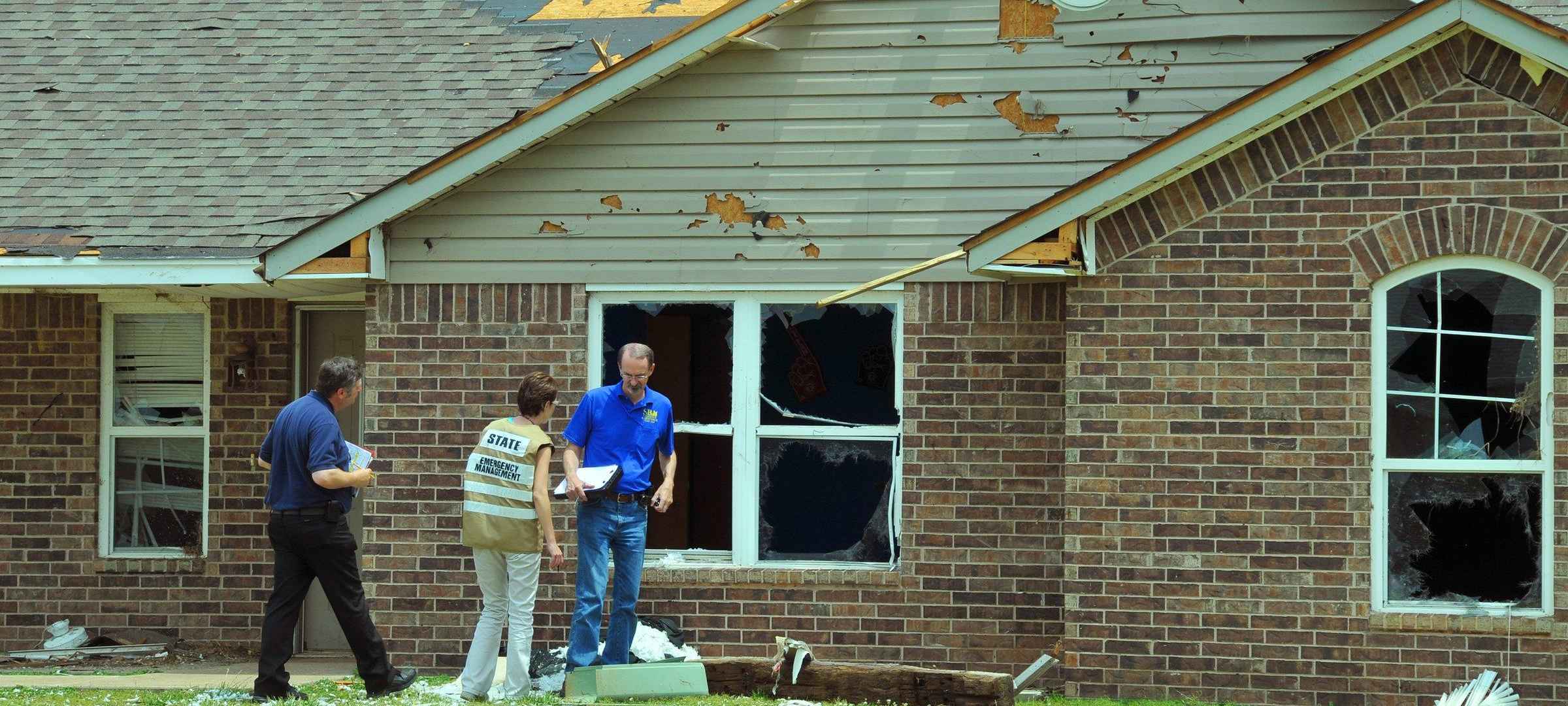
Storms can wreak havoc on our homes and properties, leaving behind a trail of destruction that often requires meticulous assessment and claims processing. In the face of such adversity, understanding the ins and outs of storm damage appraisal becomes crucial. In this blog, we'll delve into the world of storm damage appraisal, discussing what it entails, the services available, and the role of insurance adjusters in the aftermath of a storm.
Understanding Storm Damage Appraisal
Storm damage appraisal is the process of assessing and evaluating the extent of damage caused by storms to properties. This can encompass a wide range of issues, from structural damage to personal belongings within a home. In the aftermath of a storm, homeowners are often left wondering how to navigate the complexities of filing a claim and ensuring they receive fair compensation for the damages incurred.
Storm Damage Services
Several kinds of professionals are involved after a storm. Emergency services such as tree removal, tarping and board-up stop further damage, and most policies expect you to take those reasonable steps, so keep the receipts. Roofers, contractors and engineers assess the structure and price the repairs. Adjusters, on the insurer's side or on yours, turn all of that into the value of the claim.
Storm Damage Insurance Adjuster
One key player in the storm damage appraisal process is the insurance adjuster. Insurance companies typically employ adjusters to investigate and assess the validity and extent of claims filed by policyholders. In the context of storm damage, insurance adjusters specialize in evaluating the aftermath of severe weather events. Their role is to determine the scope of damage, the cost of repairs, and the overall impact on the property.
Public Adjuster for Storm Damage
While insurance adjusters work on behalf of the insurance company, homeowners also have the option to hire public adjusters to represent their interests. Public adjusters are licensed professionals who work only for policyholders. In the case of storm damage, a public adjuster can document and price the full extent of the damage, including what is easy to miss, such as wind-lifted shingles, interior water stains and damaged gutters, siding and fences, and present it to the insurance company. Public adjusters are licensed state by state, and the rules and permitted fees vary, so check that yours is licensed in the state where the property is. Melo Property Claims handles storm claims across the states we serve.
When the Numbers Don't Match
If you and the insurer agree the storm damage is covered but disagree on what it will cost to repair, check your policy for an appraisal clause. Many property policies have one: each side chooses an appraiser, the two appraisers try to agree on the amount of loss, and an umpire settles what they cannot. How appraisal works, and whether it is binding, depends on the policy wording and the state, so read the clause before you invoke it.
How to Navigate Storm Damage Appraisal
Filing a property damage claim after a storm can be a daunting task, but having a structured approach can ease the process. Start by documenting the damage thoroughly, including photographs and detailed descriptions, and note the date of the storm. Keep a record of any temporary repairs made to prevent further damage. Report the claim promptly: policies require prompt notice, and some policies and states set specific deadlines for wind and hail claims. When filing a claim, provide a comprehensive insurance claim letter for damaged property, outlining the specifics of the incident and the losses incurred.
In the aftermath of a storm, property owners must be well-versed in the nuances of storm damage appraisal. Whether relying on storm damage services, insurance adjusters, or public adjusters, a proactive approach to documenting and filing claims is essential. By understanding the process and who works for whom, homeowners can navigate storm damage appraisal and get their properties repaired.


